Few cars have been modified as enthusiastically in the UK as the BMW-era Mini Cooper S. It is small, light by modern standards, front-wheel drive and cheap to buy used, so it suits everything from a weekend B-road toy to a budget track-day car. The catch is that “Mini Cooper S” covers three quite different cars: the supercharged R53, the turbocharged R56 and the larger 2.0-litre F56. Parts, weak spots and sensible upgrade paths differ between them, and buying the wrong part, or fitting the right part to an unhealthy car, is the quickest way to waste money.
This guide to Mini Cooper S performance parts in the UK walks through each generation, the jobs to sort before you modify, and the upgrades that make the biggest difference on the road and at the odd track day. We cover Mini JCW upgrades alongside the standard Cooper S, explain where R56 Cooper S tuning needs extra care, look at F56 Cooper S coilovers and handling parts, and finish with the MOT and insurance points UK owners need to keep in mind.
The guide focuses on the three-door hatch, though much of it applies to the convertible and Clubman versions of the same generations. Always confirm fitment for your exact model, body style and build date before ordering.
Quick Answer: Which Mini Cooper S Upgrade Should You Do First?
For most owners the best first spend is not power. It is a health check and a sorted chassis: fresh fluids, known weak spots addressed, good tyres, then suspension and bushes. Power and drivetrain upgrades come after the basics are right. Use the table below as a starting point.
| Your car and driving | Recommended starting point | Main compromise |
|---|---|---|
| R53 Cooper S, mostly road use | Cooling and oil-system health checks, then quality tyres, uprated bushes and fast-road springs or coilovers | Firmer ride; older bushes and mounts often need replacing anyway |
| R53 Cooper S or JCW, regular track days | Brake pads and fluid, then coilovers and a limited-slip differential if the car does not already have one | Cost and fitting labour, especially for a diff that needs the gearbox out |
| R56 Cooper S (N14 or N18), road use | Timing chain, oil level and carbon build-up checks first, then engine mounts and suspension | Reliability work is not glamorous, but it protects the engine |
| R56 Cooper S, remapped or planning a map | A clutch rated for the extra torque, plus intake and supporting cooling checks | Heavier pedal or more judder with some clutch types |
| F56 Cooper S or JCW, road and occasional track | Coilovers or quality springs and dampers, brake pads and fluid, then intake and exhaust | Later cars have a petrol particulate filter that limits some exhaust options |
Final choice always depends on the part manufacturer’s rating and confirmed fitment for your exact car. Browse our performance coilovers and check the fitment notes on each listing.
Know Your Mini: R53, R56 and F56 at a Glance
Before buying anything, be certain which generation you have. Your V5C, service history or a parts supplier’s registration lookup will confirm the model and build date, and the engine type is the clearest giveaway. Power figures below are metric horsepower (PS) as quoted in buying guides, so treat them as a guide rather than a dyno target.
R53 Cooper S (2001 to 2007): the supercharged one
The first BMW-built Cooper S used a 1.6-litre four-cylinder with an Eaton M45 supercharger and a six-speed Getrag manual gearbox. According to the PistonHeads R53 buying guide, early cars made 163PS and the 2004 facelift raised that to 170PS. The factory JCW kit went further, and the 2006 John Cooper Works GP made 218PS with lighter rear arms and a standard limited-slip differential. The R53 is the most analogue of the three and is now old enough that age-related wear is the main issue.
R56 Cooper S (2007 to 2013): the turbo with a reputation
The R56 switched to a turbocharged, direct-injection 1.6-litre engine shared with the Peugeot 207 GTi. The PistonHeads R56 guide quotes 184PS for the Cooper S. Early cars use the N14 engine; from around the 2010 facelift the revised N18 took over. The turbo engine responds well to tuning, which is why the R56 is so popular with modifiers, but it is also the generation where skipping maintenance costs the most.
F56 Cooper S and JCW (2014 onwards): bigger, faster, more refined
The third generation moved to BMW’s modular 2.0-litre B48 twin-scroll turbo engine. The PistonHeads F56 buying guide lists 192PS for the Cooper S and 231PS for the JCW, which arrived in 2015. A 2018 facelift (LCI) changed the gearbox options, and the JCW returned in 2019 with a petrol particulate filter to meet emissions rules. The F56 is the most comfortable and capable car out of the box, so modifications tend to focus on handling, brakes and sound rather than fixing faults.
Fix Before You Fit: Health Checks by Generation
Every performance part works better on a healthy car. On a Mini, a few known weak spots are worth checking before you spend money on upgrades, because a remap or harder driving will expose them quickly.
R53 checks
- Cooling fan and resistor: a failed fan resistor can let the engine run hot, and overheating is linked to cracked cylinder heads. Confirm the fan works on both speeds.
- Oil level and dipstick: these engines can use some oil, and the original plastic dipstick is known to snap. Many owners fit a metal replacement and check the level regularly.
- Supercharger condition: listen for whine changes or rattles. Smaller pulleys raise boost but also add strain, so a high-mileage unit may need attention before a pulley upgrade.
- Mounts and bushes: worn engine mounts, top mounts and rear bushes are common on cars of this age and spoil any suspension upgrade.
- Rust: check the rear subframe area, particularly on cars that have seen salted winter roads.
R56 checks
- Timing chain and tensioner: a rattle on cold start can point to chain or tensioner wear, particularly on the N14. An updated tensioner was fitted to later cars; ask for evidence of what has been done.
- Oil consumption: some engines use a significant amount of oil, and running low is bad news for the chain. Check the level often rather than relying only on the service indicator.
- Carbon build-up: direct injection means the inlet valves are not washed by fuel. Tuner Lohen suggests decoking an N14 roughly every 30,000 to 40,000 miles, and says the N18 is much less prone to it.
- Water pump recall and coolant pipes: check recall work has been done, and make sure the gear linkage is not rubbing on a coolant pipe.
- Rear brakes: rear discs on Cooper S and JCW models can wear faster than many owners expect.
F56 checks
- Clutch on manual cars: squeaks and premature wear are reported, so check for slip under load before adding torque.
- Engine mounts: a thud on start-up or rattles at low revs can indicate a broken mount.
- Oil level: some owners report high consumption when driven hard, and stretched service intervals do a hard-driven engine no favours.
- Fault codes: intermittent wastegate actuator codes can sometimes trace back to an ageing battery, so rule out simple causes before buying parts.
Suspension and Handling Upgrades
Every generation of Cooper S already has quick steering and a playful chassis, so suspension upgrades are about control and consistency rather than transforming the car. The usual order is tyres, bushes and mounts, then springs and dampers or coilovers, then alignment.
Coilovers or springs and dampers?
Lowering springs on healthy dampers are a budget way to sharpen the look and reduce body roll, but they can shorten damper life and leave you with no adjustment. Coilovers cost more and need setting up, yet let you tune ride height and, on many kits, damping. That matters on a Mini, because the difference between a car that feels planted on a bumpy B-road and one that skips about is often damping rather than spring rate. F56 Cooper S coilovers are a popular choice because the standard car leans towards comfort, and many owners want tighter body control for B-roads and track days. Whatever you choose, budget for a four-wheel alignment afterwards.
Bushes, anti-roll bars and bracing
- Polyurethane bushes: replace tired rubber and tighten up steering response. Expect a little more road noise and vibration with firmer grades.
- Anti-roll bar bushes and links: a cheap way to remove clunks and make the bar work as intended. Bush sizes vary with bar diameter, so measure or check your spec.
- Engine and gearbox mount inserts: reduce engine movement and wheel hop under hard acceleration, especially on tuned R56s, at the cost of more vibration at idle.
- Chassis braces: lower and interior braces are available for the R56. Their effect is usually subtle on the road and more noticeable on a stiffly set-up track car.
Our guide to declaring car mods to your insurer covers why even suspension changes should be disclosed, so keep receipts and part numbers as you go.
Intake, Exhaust and Remaps
Power upgrades work very differently on the supercharged R53 and the turbocharged R56 and F56, so it pays to understand where the gains come from on your car.
R53 supercharger pulley and supporting mods
On the R53, the classic R53 supercharger pulley upgrade swaps the pulley for a smaller one so the supercharger spins faster and makes more boost. Factory JCW cars combined a pulley change with head work, a freer exhaust, a remap and, from 2005, larger injectors. Owners who copy the recipe usually treat it as a package: pulley, injectors, intake, exhaust and a map that suits them, rather than a pulley on its own. Remember the extra boost also means more heat and more wear on the supercharger.
R56 and F56 turbo cars
For turbo Minis, a remap delivers most of the gain, with intake and exhaust parts supporting it and adding sound. Lohen’s published estimates put a Stage 1 N14 or N18 Cooper S in the 220 to 235bhp range, but results depend on the map, fuel, the car’s condition and the supporting parts, so treat any headline figure as a guide. On the F56, the PistonHeads guide notes that around 270hp from a remap and exhaust is about the limit for standard Cooper S pistons.
- Induction kits and panel filters: improve intake sound and can help a mapped car, though gains on a standard map are usually small. Check that the kit keeps hot underbonnet air away from the filter.
- Cat-back exhausts: mostly about sound and a little weight. Look for a system with a noise figure the manufacturer quotes for road use.
- Downpipes: a large-bore downpipe can help a tuned turbo car, but the choice between keeping the catalyst and removing it has big legal consequences. Our downpipe upgrade guide covers sports cats, decats and the MOT in detail.
- Later F56 cars with a particulate filter: the filter is factory emissions equipment. Choose exhaust parts designed to work with your car’s original emissions hardware and read the fitment notes carefully.
Clutch, Flywheel and Differential
The clutch is the most common casualty of a tuned Mini. Lohen notes the N14’s clutch is weaker than the N18’s and advises a performance clutch for a tuned N14, while F56 owners report squeaks and early wear even on standard cars. If you are adding torque, check the clutch’s rated torque capacity against your expected output, and think about how you drive: an organic clutch is usually the friendliest on the road, while paddle-type clutches are designed for more aggressive engagement and can judder in traffic.
Dual-mass versus single-mass flywheels is another decision. A single-mass flywheel is lighter but usually brings more gearbox chatter and vibration, and the right choice depends on the clutch kit and how the car is used. Our performance clutch upgrade guide explains the trade-offs, and you can compare options in our clutch kit range.
A limited-slip differential is one of the most effective upgrades for a powerful front-wheel-drive Mini, reducing inside-wheel spin out of tight corners. It was optional on the R53 Cooper S from 2005 and standard on the GP. Fitting one means taking the gearbox apart, so it makes sense to combine it with a clutch change.
Brakes and Tyres for Road and Track
For road driving, the standard Cooper S brakes are usually adequate when fitted with quality pads and discs. For track days, the weak points are often pad fade and boiling fluid rather than outright caliper size. A sensible order is:
- Fresh, high-boiling-point brake fluid before every track season.
- Fast-road or track pads matched to how you use the car. Aggressive track compounds can be noisy and less effective when cold on the road.
- Braided brake hoses for a firmer, more consistent pedal.
- Bigger brake kits only once the basics are sorted and you have a genuine need.
Tyres matter as much as any part. Many Cooper S models left the factory on run-flat tyres, and plenty of owners switch to conventional performance tyres for a better ride and more feel. If you do, carry a repair kit or spare, because the car may not have one.
Mini Cooper S Upgrades by Generation: What to Check
The table below lists the main checks before buying parts for each generation. These are checks, not guarantees: always confirm part numbers against your car’s build date and specification.
| Car | Check before you buy | Popular upgrades to consider |
|---|---|---|
| R53 Cooper S, JCW and GP (2001 to 2007) | Pre- or post-2004 facelift, whether an LSD is fitted, supercharger mileage, cooling fan health | Bushes, coilovers, pulley-plus-supporting-mods package, brakes |
| R56 Cooper S with N14 (about 2007 to 2010) | Timing chain and tensioner history, oil use, carbon build-up, clutch condition | Engine mounts, clutch rated for the map, decoke before tuning, suspension |
| R56 Cooper S with N18 (about 2010 to 2013) | Engine code confirmed, service history, any VANOS or fuel pump faults | Remap with intake, mounts, coilovers, LSD |
| F56 Cooper S and JCW (2014 onwards) | Manual or auto, pre- or post-2018 facelift, particulate filter fitted or not, clutch health | Coilovers, intake, cat-back exhaust, brake pads and fluid |
Examples from our range
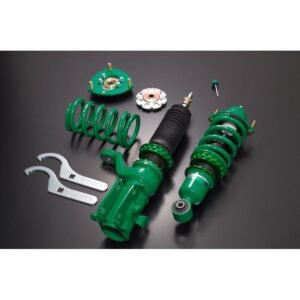
- YSR Dynamic Pro Sport coilovers for the F56 Cooper S: height-adjustable suspension for the third-generation car.
- Pipercross Airmax intake kit for the F56 Cooper S and JCW: an induction upgrade for the B48 engine (back pipe not included).
- Stage 1 organic clutch kit for the R56 Cooper S: a road-friendly clutch upgrade for mildly tuned cars.
- Powerflex lower engine mount bush for the R56 generation: helps control engine movement under hard acceleration.
UK MOT, Legality and Insurance for Modified Minis
Most Mini modifications are legal for the road if they are fitted properly, but a few can cause problems at the MOT or with your insurer.
- Emissions equipment: the DVSA MOT inspection manual lists manufacturer-fitted emission control equipment that is missing, obviously modified or obviously defective as a major defect. Catalytic converters are the obvious example, and the same principle applies to other factory emissions hardware.
- Exhaust noise: the same section lists exhaust noise above permitted levels as a major defect, and an insecure system can fail too.
- Emissions test: a remapped car must still pass the tailpipe emissions check.
- Ride height and tyres: make sure lowered cars have no tyre or body contact on full steering lock and full compression, and that tyres are correctly load and speed rated.
- Insurance: declare every modification, including suspension, wheels, intake and remaps. Non-disclosure can give an insurer grounds to reduce or refuse a claim.
Mini Cooper S Upgrade Checklist: Before You Buy and Fit
- Confirm your generation, engine code, body style and build date.
- Check service history and fix known weak spots before adding power.
- Change engine oil, brake fluid and, where due, spark plugs.
- Inspect bushes, mounts, drop links and top mounts.
- Decide your priorities: road comfort, track pace or sound.
- Match clutch torque capacity to your planned power.
- Keep factory emissions equipment in place on a road car.
- Book a four-wheel alignment after any suspension work.
- Tell your insurer about every modification before you drive.
- Keep receipts, part numbers and map details for future buyers.
Shop Coilovers, Clutch Kits and Air Intakes
- New

- New
- New
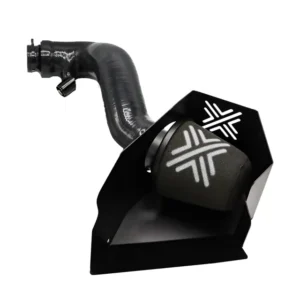 PiperCross Air Filters
Pipercross PK439 Intake Kit – VW Golf Mk8 R GTI, Audi S3 8Y & Cupra 2.0 TSI
£480.00 - New
Conclusion
The Mini Cooper S rewards a careful, staged approach. Start by understanding which generation you own and fixing its known weak spots, then sort tyres, bushes and suspension before chasing power. R53 owners get the most from a well-matched supercharger package and a fresh chassis, R56 owners must look after the engine before tuning it, and F56 owners have the strongest starting point for handling and sound upgrades. Back every power increase with a suitable clutch and brakes, keep the car MOT-compliant and tell your insurer what you have changed.
Ready to start? Browse our coilovers and suspension parts or explore the full range at performancecarsparts.co.uk. If you are not sure what fits your Mini, message our team on WhatsApp or send us an email with your registration and model details, and we will help you choose the right parts.
Shop related performance parts

Explore related products
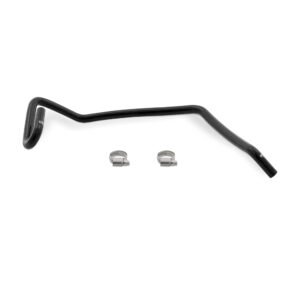

Always check the individual product listing for your vehicle and engine before ordering.