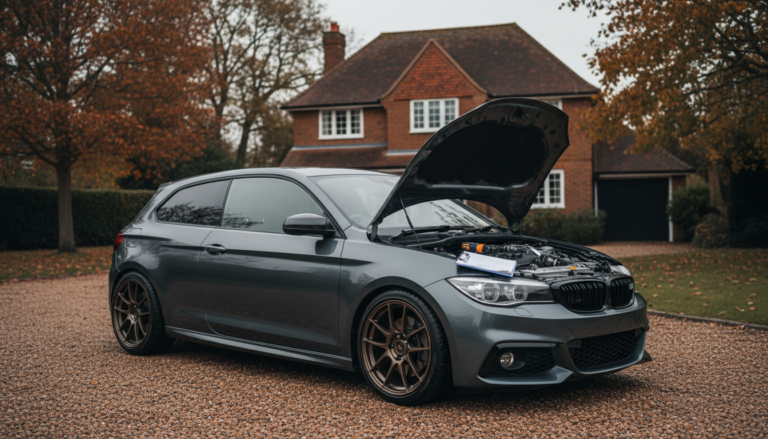
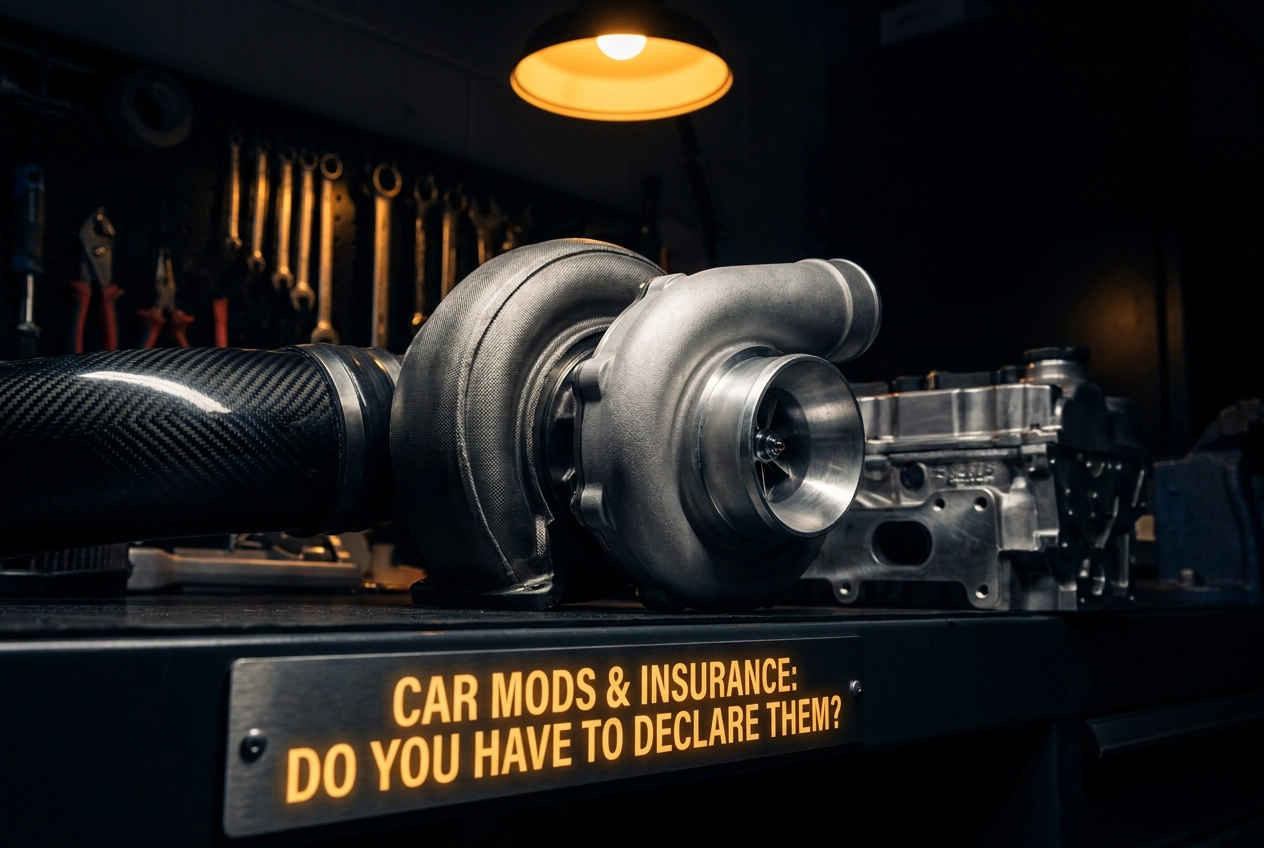
Your modified car is a fantastic machine, but that aftermarket exhaust or suspension kit could be silently invalidating your insurance. The assumption that insurers will cover any alteration is a fast track to a refused claim, turning a minor accident into a major financial disaster.
This guide is designed to give you practical, unsentimental advice on navigating the complex world of car modifications and insurance. We will explain why undeclared modifications are the fastest route to a denied payout and clarify exactly which changes you need to report. You will learn how modifications are categorised and how they affect your premium, as well as when and how to declare them by understanding the critical difference between standard and modification-aware policies.
We will also cover how to describe each modification accurately and document your work to ensure a claim goes through smoothly. Finally, we will detail what happens at claim time if a modification is undeclared, giving you the tools to properly protect your investment before your next renewal.
Why Undeclared Modifications Are the Fastest Route to a Refused Claim
Which Modifications Do You Actually Need to Declare?
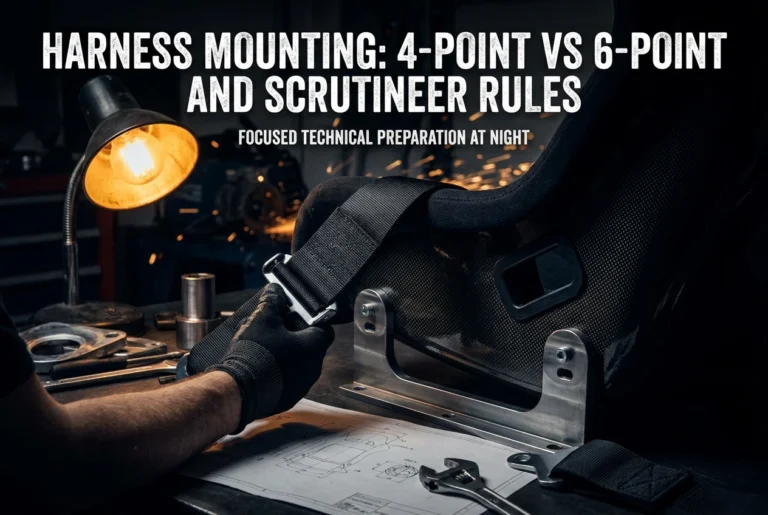
In practice, that duty reduces to one working test: if a part changes the car’s power, handling, value, repair cost, theft appeal or factory specification, declare it and let the insurer decide the premium. Performance and drivetrain work includes stage 1 and higher remaps, cat-back and decat exhausts, intakes, forced induction, engine internals, uprated clutches and limited-slip differentials. Chassis and wheels cover lowering springs, coilovers, anti-roll bars, polybushes, spacers, big brake kits, and any wheel outside factory size, width or offset, including a second winter set kept in the garage. Cosmetic and interior items such as bodykits, splitters, spoilers, wide arches, wraps, tinted glass, bucket seats, harnesses, roll cages and aftermarket steering wheels change repair and repaint costs, so they count too. If you are fitting track-focused seats, check our guide to aftermarket seats for track cars before you buy. Do not stop at parts: track days and Nurburgring trips, business or commuting use, extra drivers, private plate changes and aftermarket alarms, immobilisers or trackers belong in the same conversation.
Performance, Chassis or Cosmetic: Why the Category Changes the Price
Once you have a full list, the category drives underwriting scrutiny. Power work gets the closest look: a remap changes output, value and how the car is driven, so expect questions about stage, supporting hardware and the dyno evidence behind the claimed figure. Cosmetic work is not automatically free. A wrap, bodykit or wide arch conversion raises paint and panel costs and can alter theft appeal even with a standard engine. Brake and suspension upgrades are sometimes treated as safety-related and less concerning than extra power, but not universally; heavy lowering raises geometry, tyre wear and usage questions. Wheels are underestimated: non-standard sizes cost more to replace, attract thieves and leave the insurer pricing wheels the car no longer wears, so fitment details matter as much as brand. Finally, establish provenance. A performance pack on the original bill of sale differs from an aftermarket kit fitted later, and insurers want evidence either way. Understanding what performance car parts cover helps you describe the build precisely rather than by category alone.
When Should You Tell Your Insurer, and What Is the Window?
Category determines how closely the work is scrutinised; timing determines whether it is covered at all. If the parts are already fitted, declare them before the policy starts. The proposal asks about modifications, and the premium is calculated from your answers, so a standard-car quote is meaningless for a mapped car. If you modify mid-term, notify before fitting where possible, and at the latest within your policy’s notification period. Read that clause in your own wording; many require prompt notification, not a wait until renewal. Delay leaves the policy describing a car you no longer own, which is the gap claim investigators look for. Treat renewal as a re-declaration, not your first declaration. Before committing, check the cooling-off period: if the revised premium is unacceptable, you need to know whether you can cancel and what refund applies under the FCA’s right to cancel rules. If you are planning performance parts, price the cover first. Notification is a transaction, so record the date, adviser, revised premium and updated schedule or written confirmation.
What Declaring Modifications Does to Your Premium
Once notification is handled, the question becomes what it does to your premium. The premium tracks the risk you have created, not the price you paid for parts. More power, a higher replacement value and costlier repairs usually add cost, while a brake or suspension upgrade may move the figure very little, depending entirely on the insurer’s appetite.
Get the figure before you buy the parts. Quote your exact modification list to your current insurer and a specialist first, so the cost of cover sits in the project budget rather than arriving as a surprise. A quote built on a standard car tells you nothing about the premium for yours, and buying on that basis means paying for cover you cannot claim on. Read what each tuning stage actually requires before you commit.
Mid-term changes often carry an administration fee on top of any premium adjustment, so budget for it when deciding whether the modification is worth doing this year. Never under-describe the build: declaring stage 1 while running an upgraded turbo, fuelling and intercooler is misrepresentation, not a saving, and it is the version of events an assessor will unpick.
Modification-Aware and Standard Policies: Know What You Have Bought
The premium quote only makes sense once you know which policy type you are comparing. Standard policies are written around a factory-standard car: many accept only limited modifications before the terms change materially, and some treat any undeclared change as a breach of the description you insured. Modification-aware policies are built to accept declared changes and price them openly. They typically ask for a full specification and supporting evidence at inception, which makes an accurate list an advantage rather than a risk. Read the definition of “modification” in the wording before you assume anything; some policies include factory options, dealer-fit accessories, non-standard wheels and cosmetic additions. Read the exclusions too. Track use, timed events and competition use are usually excluded outright, so a Nurburgring trip needs separate cover rather than a road modification declaration. Also check the settlement basis: market value or agreed value, and whether aftermarket parts are replaced like for like or with standard components. A declared brake kit is worth little at claim time if the policy pays out on standard parts. For emissions-related changes, read our guide to UK emissions rules for modified cars in 2026 before you declare.
How to Describe Each Modification Accurately
Whatever policy type you hold, the schedule is only as good as the description you supply. Name the part, maker and part number: for example, “resonated stainless cat-back exhaust, [maker] part [number], fitted March 2025” is a declaration; “exhaust” is not. State what it does: quote a power figure only with the dyno printout behind it, or confirm in writing that the change is cosmetic and adds no power. Give the fitting date and fitter, matching your invoices, because a timeline that does not reconcile is the first thing an assessor queries. Separate fitted from planned. Never list future work as if it is on the car; update the schedule the moment the build changes. If you are unsure whether an item counts, ask in writing and keep the reply. An underwriter’s email confirming no declaration is needed is stronger at claim time than any verbal assurance. For Vauxhall builds, the Vauxhall performance parts guide is useful for planning upgrades, but every fitted item still needs its own line.
How to Document Modifications So a Claim Goes Through
A precise description is only as strong as the evidence behind it. Build one folder per car containing the purchase invoice, every fitting invoice, any dyno or remap printout, dated before-and-after photographs, and the insurer’s written confirmation of the declared list.
Photograph each part fitted to the car, not on a bench, and include the registration where possible. A box proves nothing about what is actually bolted on. Keep original bill of sale or build sheet evidence for factory options and dealer-fit accessories; it ends arguments about what was standard before they start.
Shop with records in mind. If you buy brakes, suspension, exhausts or engine parts online, including from Performance Cars Parts’ range, file the order confirmation and invoice with the fitting paperwork so the build reconciles. Re-send the full list at every renewal and after every change. The insurer prices the car as it stands now, not three years and two modifications ago.
What Happens at Claim Time if a Modification Is Undeclared
Even a well-kept folder cannot prevent a mismatch being found. At claim time, the assessor checks the car against the declared specification. A discrepancy triggers a non-disclosure or misrepresentation review, not necessarily an instant refusal, and that review can leave you without the car while it runs.
Under the Consumer Insurance (Disclosure and Representations) Act 2012, the remedy must be proportionate. The insurer weighs your failure against what it would have done with the full facts, so a careless omission is treated differently from a deliberate one. If it would not have offered cover at any price, the policy can be treated as never having existed, premiums returned, leaving you to fund the loss.
Expect wider questions: an engineer’s report, every invoice, and checks on other parts are normal once doubt appears. A refusal or cancellation can follow you when a new insurer asks. If you did declare the work, escalate with documents, not argument: notification records, written confirmation, the insurer’s complaint process, then the Financial Ombudsman Service.
Before Your Next Renewal: The Short Version

With the claim mechanics behind you, treat renewal as a reset and a test. Write down every difference from factory specification: wheels, cosmetic parts, security devices, engine, suspension and brakes. Check that list against your policy’s definition of a modification, because wording varies. Notify before work is done where possible, or inside the notification window, in writing. Keep the confirmation with the revised premium and the date cover changed. Buy cover for the car you actually own. If a standard policy will not take your build, price a modification-aware policy rather than paying for unusable cover. Keep invoices, dyno printouts and photographs in one folder, and re-declare the full list at every renewal so the schedule never drifts. Where anything is unclear, ask in writing; an underwriter’s written answer beats any assumption from a parts counter. Treating the car as a package, as with build the car as a package, helps you spot omissions before they become disputes.
Conclusion
Declaring modifications is not paperwork for its own sake. It is what keeps your cover usable when you need it most. Remember the essentials: undeclared changes are the fastest route to a refused claim, the category of modification changes what you pay, and written notification inside the window protects you far better than a phone call. Keep every invoice, photo and dyno printout together, and re-declare the full list at each renewal so your schedule never drifts.
Your next step is simple. Before renewal, write your complete modification list and check it against your policy wording. If a standard policy will not take your build, explore modification-aware cover, and source quality parts from Performance Cars Parts so every change is documented from day one. Build it right, declare it fully, and drive with confidence.
Shop related performance parts

Explore related products


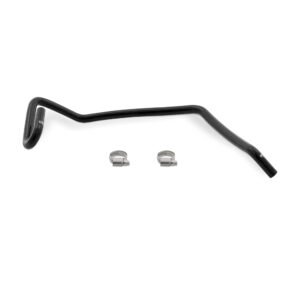

Always check the individual product listing for your vehicle and engine before ordering.