Buying motorsport clothing in the UK without understanding the regulatory framework first is an expensive mistake that catches more drivers than you might expect. A suit carrying impressive-sounding certifications can still leave you turned away at scrutineering, or worse, overqualified for the events you actually run and underqualified for the ones you want to enter next season.
The rules governing motorsport clothing UK drivers must follow are tiered, and that tier depends entirely on the classification of your event. Motorsport UK sets the mandatory minimums for national-level competition, while FIA international standards apply at higher-tier events. SFI certification, commonly seen on imported gear, occupies a different position in this hierarchy altogether.
This guide maps the full picture. You will learn exactly how Motorsport UK classifies events, which certification standards each tier mandates for race suits, gloves, helmets, HANS devices and boots, how homologation expiry dates affect your current gear, and how to verify compliance before spending a penny. Work through each section and you will have everything needed to buy the right equipment, at the right standard, precisely once.
Why Certification Confusion Costs UK Drivers Real Money
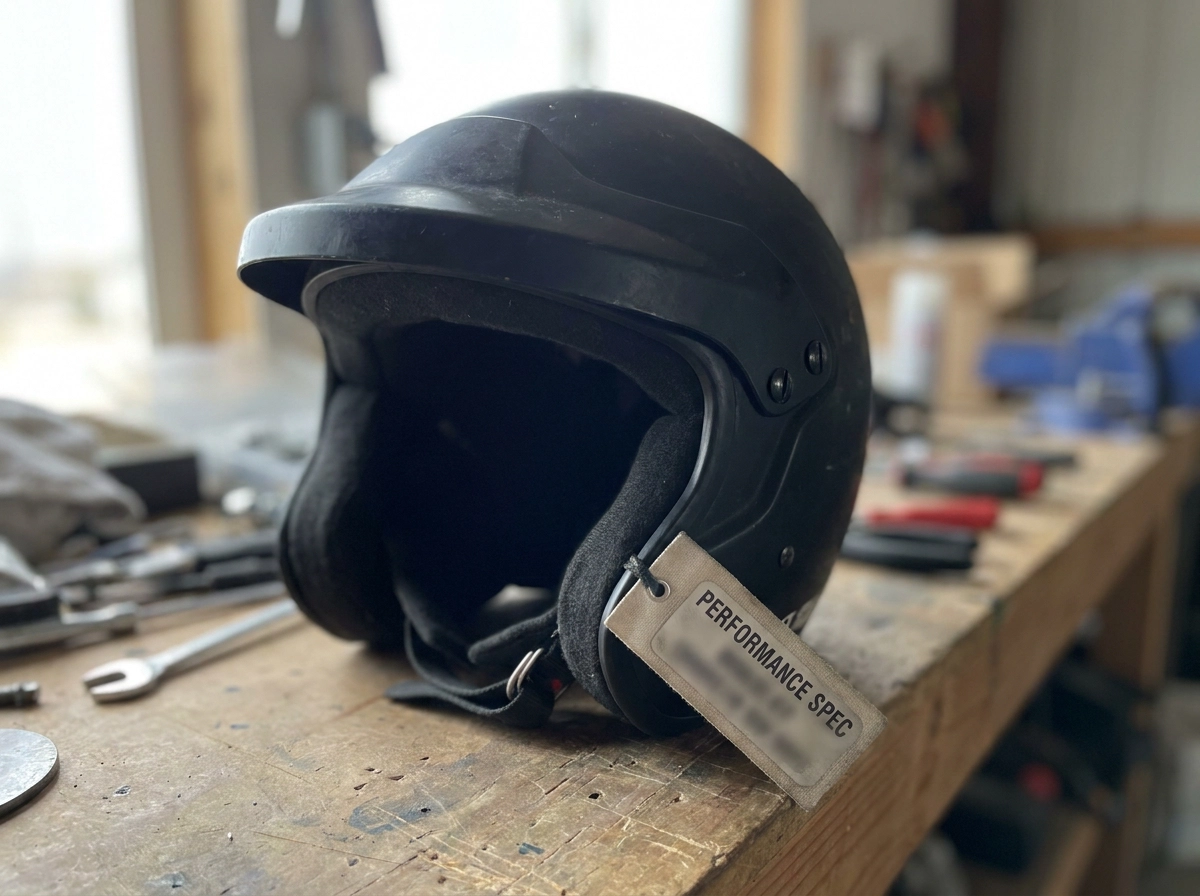
Terms like “race-ready” and “competition-spec” appear constantly in product listings and forum threads, but neither phrase carries any legal weight under Motorsport UK regulations or FIA rules. Gear can be marketed with those labels and still fail scrutineering on the first day it is used in a permitted competition event.
Two buying mistakes repeat themselves constantly in the UK market. The first is purchasing fully FIA-homologated equipment for an open club track day that mandates no certification standard at all, paying a significant premium for credentials the event does not require. The second is the opposite: buying gear described as “performance” or “track” specification for a licensed Motorsport UK competition event, only to discover at scrutineering that FIA homologation is mandatory and the purchased gear does not qualify.
Compounding both mistakes is a persistent confusion between SFI and FIA standards. Forum advice and retailer copy frequently treat them as interchangeable quality tiers. They are not. SFI is a US-based certification body; its ratings are widely used in American club and oval racing. FIA homologation is a separate process governed by the FIA, and it is the standard Motorsport UK references for licensed competition events in Great Britain. An SFI-rated suit does not meet an FIA requirement, and the two are not interchangeable at any Motorsport UK permitted event.
The financial stakes are real. A suit, gloves and helmet combination meeting FIA 8856-2018 standard can cost considerably more than club-level or non-rated alternatives. Buying at the wrong tier means either spending that premium unnecessarily, or arriving at a competition event with gear that gets you turned away before the event begins, with no recovery on entry fees.
The solution is straightforward but requires discipline: identify the event classification tier before selecting any gear. That single step, covered in full throughout this guide, is what makes it possible to buy the right performance upgrade once rather than twice.
The UK Regulatory Framework: Motorsport UK, FIA and Where SFI Fits In
Motorsport UK is the national governing body for motor sport in Great Britain. It publishes the Motorsport UK Yearbook (also referred to as the National Competition Rules), which sets the mandatory safety equipment standards that apply to all Motorsport UK permitted events. Every organising club running a permitted event must comply with these standards as a baseline.
The Yearbook is explicit on the hierarchy: the Motorsport UK mandatory requirements are the minimum acceptable for National A and lower status events. For higher-tier Groups, Classes and Formulae, FIA International requirements apply and can exceed those national minimums. The tier of your event, not your preference, determines which floor you must meet.
FIA homologation is the certification process through which equipment is formally approved against specific FIA technical standards. A homologated item carries a sewn-in or affixed label showing the relevant standard, the manufacturer, the homologation number and an expiry date. If that label is absent, the item is not FIA homologated, regardless of how it is described in marketing copy or product listings.
SFI (Safety Foundation Inc.) is a US-based certification body. Its ratings are used in American club and oval racing contexts. They are not the same as FIA ratings and are not accepted as equivalents by Motorsport UK or the FIA for licensed UK competition events. Critically, the Motorsport UK Yearbook makes no reference to SFI standards; they simply do not appear in the UK regulatory framework.
This distinction matters practically because some motorsport clothing sold in the UK market carries SFI labelling alongside or instead of FIA homologation. SFI labelling may indicate a product has met a recognised safety test, but it does not satisfy FIA homologation requirements at any event where FIA standards are mandated. Treating the two as interchangeable is the source of many compliance failures at scrutineering.
Which Rules Apply to Your Event: A Classification Framework
Knowing which certification standard applies to your gear starts with one question: what type of event are you entering? There are three distinct tiers, and they carry entirely different obligations.
Tier 1: Open track days. Commercial track day operators sit entirely outside the Motorsport UK permitted event framework. Each organiser sets its own safety policy independently, and some choose to follow Motorsport UK guidance voluntarily while others do not. Requirements vary by venue and operator; there is no single universal standard you can assume applies.
Tier 2: Club-level Motorsport UK permitted events. Sprints, hillclimbs, and club circuit racing organised under a Motorsport UK permit fall into this tier. The Motorsport UK Common Regulations are explicit: Motorsport UK mandatory requirements are the minimum acceptable for National A and lower status events. These are not suggestions; they are the floor, and no item below that floor passes scrutineering.
Tier 3: Higher-tier and FIA-grade events. National championships and any event whose regulations reference FIA standards require full FIA homologation across suits, helmets and gloves. Motorsport UK minimums are insufficient here. If the championship regulations cite FIA 8856-2018 or an FIA helmet standard, only homologated items carrying the correct FIA label satisfy the requirement.
How to Determine Which Tier Applies
The only reliable sources are written ones. Read the event’s Supplementary Regulations (SRegs) before entering; the safety equipment section states the applicable standards by item. If the SRegs are ambiguous, contact the organising club’s clerk of the course directly. For championship events, the championship’s own technical regulations take precedence.
Do not treat retailer product descriptions or forum posts as compliance guidance. Verbal assurances carry no weight at scrutineering.
The Cost of Getting It Wrong
A driver presenting non-compliant gear at a Motorsport UK permitted event is excluded before the event starts. Entry fees are non-refundable once the cancellation deadline has passed. Misclassification is not a paperwork inconvenience; it is a complete loss of the day and the entry cost.
This same due diligence applies whether you are sourcing motorsport clothing or performance components for your car. Readers who follow detailed buyers’ guides, such as this overview of sourcing Audi parts in the UK for performance builds, will recognise the principle: knowing the specification before purchasing is always cheaper than correcting the mistake afterwards.
Race Suits: Matching the Correct FIA or Motorsport UK Standard to Your Event
With the event tier framework established, suits are where most purchasing decisions go wrong, because the standard printed on a swing tag is not always the standard your event requires.
FIA 8856-2018 is the current primary homologation standard for race suits. Its predecessor, FIA 8856-2000, has been superseded; suits made to that older standard may still be accepted at certain events depending on their individual expiry date, but you must confirm acceptance directly with the event organiser before relying on one.
Motorsport UK national-level events specify acceptable suit standards in the relevant schedule of the Motorsport UK Yearbook. Some lower-tier categories permit suits that meet a Motorsport UK national standard rather than full FIA homologation, which opens up a less expensive purchasing tier. The only reliable source for which standard applies to your specific category is the Yearbook schedule for that championship or event class; do not assume one category’s rules apply across the board.
Reading the Homologation Label
As with all FIA-homologated items, the sewn-in label showing the standard, manufacturer, homologation number and expiry date is the only valid proof of compliance. Marketing terms such as “race-spec” or “FIA-quality” carry no regulatory weight whatsoever.
Expiry and Physical Condition
FIA-rated suits expire based on manufacture date, not purchase date. Under the 8856-2018 standard, service life is typically around ten years from manufacture. A suit that has passed its expiry date cannot be used at any event requiring FIA certification, even if it is visually undamaged and has seen minimal use.
For open track days, no specific standard is mandated. A single-layer suit carrying Motorsport UK national standard labelling still provides genuine fire and abrasion protection at a considerably lower price point than a full FIA homologated garment. Performance Cars Parts stocks race suits across certification levels, allowing you to match the correct standard to your event tier without paying for homologation you do not need.
Motorsport Gloves: Standards, Materials and What Each Event Tier Mandates
The same logic that applies to suits carries directly across to gloves. Gloves must carry the FIA 8856-2018 homologation label; the same four-field label verification that applies to suits applies here.
Motorsport UK mandates gloves at all permitted competition events. The specific standard required varies by event category and is set out in the relevant schedule of the Motorsport UK Yearbook. Check the schedule for your precise category rather than assuming one tier covers all.
The most common compliance failure with gloves is substitution. Karting gloves, cycling gloves, and general driving gloves are not acceptable at any Motorsport UK permitted event. This applies regardless of their material, thickness, or fire-resistant claims. If the item does not carry the required homologation label, it will not pass scrutineering.
When inspecting a glove for compliance, the homologation label is the only indicator that matters. Palm grip texture, cuff length, and seam placement are construction features, not certification. A glove with silicone grip and a long cuff is not compliant simply because it looks the part; the label confirming the FIA or Motorsport UK-accepted standard is the sole verification.
At open track days where no standard is mandated, certified fire-resistant gloves remain a sound choice. The hands are directly exposed in a cockpit fire, and even a lower-tier certified glove provides measurable protection that an uncertified driving glove cannot match. If you are investing in motorsport clothing for track use, certified gloves are worth including regardless of whether the event requires them.
Expiry logic follows the same manufacture-date rule as suits, check the label before purchase.
Helmets: FIA and Snell Standards, Homologation and the Age-Out Rules
Helmets follow the same certification logic as suits and gloves, but with one additional variable: the standard must match the discipline, not just the event tier.
Motorsport UK accepts helmets certified to FIA 8860-2018, FIA 8860-2018-ABP, and FIA 8859-2015, alongside Snell SA2020 and SA2015. The full accepted list is published in the Motorsport UK Yearbook and reviewed periodically, so confirming acceptance against the current edition before purchase is essential.
Matching the standard to the discipline matters. FIA 8860-2018 is the highest current FIA helmet specification, designed for open-cockpit single-seater competition such as formula racing. FIA 8859-2015 covers closed-cockpit and rally applications. Using a closed-cockpit standard in an open-cockpit event creates a non-compliance issue at scrutineering regardless of the helmet’s cost or condition.
On the Snell side, SA2020 is the primary certification currently accepted by Motorsport UK. SA2015 helmets may still fall within the permitted age window in 2026, but this cannot be assumed without checking the current Yearbook.
The age-out rules for helmets are covered in full in the Expiry Dates section below; in short, Motorsport UK uses a rolling manufacture-date threshold rather than a usage-based one.
Track days and second-hand purchases
Most UK track day operators require a helmet but do not specify an FIA or Snell rating. A road motorcycle helmet is widely regarded as inadequate for motorsport impact profiles, and some operators are tightening their requirements. Certified motorsport helmets are the sensible baseline even where no standard is mandated.
When buying second-hand, the certification sticker inside the shell is the only verifiable proof of compliance. A missing or illegible sticker cannot be remedied without involving the manufacturer. Verify the label is present, legible, and shows a standard and certification year before purchase. If you are investing in a full safety kit, applying the same scrutiny to your helmet that you would to understanding the right components for your car’s braking system will save both money and problems at the gate.
HANS Devices, Race Boots and Fireproof Underwear: What Else the Regulations Cover
The helmet covers your head; the regulations cover considerably more.
HANS devices are mandatory in many Motorsport UK competition categories. The FIA 8858-2010 and 8858-2002 standards are both referenced in Motorsport UK’s National Competition Rules, and accepted standards vary by event category. Check your specific Supplementary Regulations to confirm whether a HANS device is mandated and which standard is required before purchasing.
Race boots are equally non-negotiable at permitted competition events. The FIA 8856-2018 standard covers footwear as well as suits and gloves. Trainers, road shoes, and non-rated boots are not compliant, regardless of how fire-resistant they may appear. If your suit meets FIA 8856-2018 but your footwear does not, you remain non-compliant at scrutineering.
Fireproof underwear, balaclavas and socks are mandatory across many Motorsport UK competition categories and must meet FIA 8856-2018 or an equivalent accepted standard. These items are the most frequently overlooked at the purchasing stage because they sit beneath more visible gear. That is precisely why protection gaps here go unnoticed until scrutineering.
At open track days, none of these items are typically mandated by the operator. Each still adds measurable protection. A fireproof balaclava worn under a certified helmet increases fire resistance time at the face and neck. Fire-resistant socks cover the ankle gap that a suit’s leg hem does not reach.
Buying as a complete system matters. An FIA-rated suit paired with non-rated base layers or non-rated boots reduces the overall protection of the system, even though the primary items are individually compliant. Certification consistency across every layer is what the protection system is designed to deliver.
Gear to Event Matching: A Practical Reference by Event Tier
With all the individual gear categories established, the table below consolidates requirements into a single decision reference. Identify your tier first, then purchase accordingly.
| Event Tier | Helmet | Suit | Gloves | HANS |
|---|---|---|---|---|
| Open track day (no Motorsport UK permit) | Required by most operators; standard varies by venue | Strongly recommended; rarely mandated by specification | Strongly recommended; rarely mandated | Not required |
| Motorsport UK club-level (National A or lower) | Motorsport UK mandatory standard minimum; verify current Yearbook schedule | Motorsport UK mandatory standard minimum; SFI ratings alone are not sufficient | Motorsport UK mandatory standard minimum | Check event-specific schedule |
| Motorsport UK national championship or higher | FIA or Snell-certified as championship baseline | FIA 8856-2018 typically required | FIA 8856-2018 typically required | Frequently mandatory |
| FIA international events | FIA 8860-series only | FIA 8856-2018 | FIA 8856-2018 | Mandatory |
The prose below expands on the two upper tiers where the table’s shorthand needs context.
National championships and above escalate to championship-specific regulations. FIA 8856-2018 suits and FIA or Snell-certified helmets are the common baseline; HANS devices are frequently compulsory. Read the championship’s own supplementary regulations, not just the general Yearbook.
FIA international events accept no SFI equivalents across any equipment category. Full FIA homologation is the only compliant route. Browse the motorsport apparel range to identify items carrying the correct FIA homologation labels for your tier.
Do not work backwards from gear you already own. Establish the tier, retrieve the specific regulations, then match purchases to the stated standard.
This matrix reflects current guidance but regulations update annually. Standards accepted in 2024 can be phased out by 2026 or 2027. Cross-reference against the current Motorsport UK Yearbook at the start of every season before assuming previously compliant gear remains so.
Expiry Dates and Age-Out Rules: How Long Your Gear Remains Compliant
Matching gear to an event tier is only half the task. The other half is confirming that your gear is still within its valid compliance window when you turn up to use it.
FIA-rated suits and the manufacture-date rule
FIA 8856-2018 suits carry a manufacture-date expiry label; a suit produced in 2022 and sold new in 2024 has already consumed two years of its service life, always check before buying.
Helmet age-out under Motorsport UK
Helmets are subject to a rolling age-out based on manufacture year. Motorsport UK typically enforces a 10-year limit, meaning a helmet manufactured in 2015 may be at or past the acceptance threshold in 2026. The exact cutoff is published in the current Motorsport UK Yearbook; verify it each season rather than assuming continuity from a previous year.
Gloves and boots
Gloves and boots certified under FIA 8856-2018 follow identical expiry logic to suits. The homologation label carries the relevant date. Confirm it falls within the current competition year before committing to a purchase or packing the item for an event.
Condition does not substitute for compliance
A visually pristine suit that has exceeded its FIA homologation expiry is non-compliant at any event requiring FIA certification. How the item looks, how rarely it was worn, or how carefully it was stored are irrelevant to scrutineers. The date on the label is the only criterion that matters.
Retirement after fire or impact
Any item exposed to fire, significant heat, or a structural impact must be retired immediately, regardless of age or remaining service life. Internal protective properties, including thermal barriers and energy-absorbing layers, can be permanently compromised without any visible external sign.
Second-hand gear carries real compliance risk
The resale market for motorsport clothing is active, but buying used safety equipment requires careful due diligence. Always request a clear photograph of the homologation label, verify the manufacture date and the applicable standard, and calculate how much service life remains. A low purchase price rarely compensates for gear that expires mid-season or fails scrutineering.
How to Verify Compliance Before You Buy
Knowing your gear may be approaching expiry is only half the problem. Before any purchase, run through this sequence in order.
1. Read the event’s Supplementary Regulations first. The safety equipment section specifies required standards by item, not by category or price point. Every permitted Motorsport UK event publishes these; championship events publish championship regulations. Start here, not with a product listing.
2. Cross-reference against the current Motorsport UK Yearbook (Section K); use the edition that applies to your competition year, as standards phase out annually. The 2026 National Competition Rules are available in digital format at https://ebooks.motorsportuk.org/ and via the Motorsport UK website.
3. Verify homologation status in the FIA Safety Equipment and Homologation database. Before purchasing any FIA-rated item, confirm the specific product remains currently listed. Homologation can be withdrawn from a product line independently of the physical item’s expiry date, so a suit still in a retailer’s warehouse can carry an expired homologation before you ever wear it.
4. Inspect the physical label at point of purchase. A compliant item carries a sewn-in or affixed label showing the standard, the homologation number, the manufacturer, and the expiry date. If a retailer cannot confirm these four details, or the label is absent, do not purchase on trust. This step applies equally to new and second-hand items.
5. Contact the organising club or championship coordinator directly if any doubt remains. Scrutineers apply the written regulations; they do not accept marketing claims or verbal assurances from retailers as substitutes. A direct written confirmation from the event organiser is the only reliable fallback.
For motorsport clothing and accessories, product and fitment details are listed at performancecarsparts.co.uk so buyers can match the stated certification standard to their event requirement, rather than relying on generalised product descriptions.
Buy Once, Buy Right: The Takeaways
Once you have completed the verification steps, the decision framework reduces to a single principle: your event tier dictates the certification standard, not the language on a product listing, not forum consensus, and not how much the gear costs.
Apply that principle by tier:
- Open track days: Check what the operator explicitly requires, prioritise genuine protective value, and choose certified gear wherever budget allows. FIA homologation is rarely a condition of entry at this level, but it is never a liability.
- Motorsport UK permitted club events: Motorsport UK mandatory standards are the regulatory floor. Identify the specific yearbook schedule for your event category and purchase to that standard as a minimum. Do not assume one club event’s requirements match another’s.
- National championships and above: FIA homologation across suits, gloves, helmets, boots and supporting items is the baseline. SFI ratings do not satisfy FIA requirements and are not accepted as equivalents under Motorsport UK or FIA rules in a UK competition context. There is no workaround for this.
The expiry and retirement rules set out above apply every season: check manufacture dates at purchase and retire any item that has been exposed to fire or structural impact.
Performance Cars Parts stocks motorsport clothing and accessories across certification levels. Use the event tier framework this guide sets out to identify the standard your event demands, then select the product that meets it precisely. Buying to the correct specification once costs less than buying twice.
Conclusion
UK motorsport regulations are not uniform, and the cost of misreading them falls entirely on the driver. Three principles should guide every purchase decision: know your event tier and its governing ruleset, buy to the correct standard rather than the closest approximation, and verify certification and expiry dates before money changes hands.
Certification confusion is avoidable. The frameworks set out in this guide give you a clear basis for matching gear to event requirements, whether you are preparing for an open track day or a national championship round.
Performance Car Parts stocks suits, helmets, gloves, boots and supporting items across the full range of certification levels. Use the event tier reference in this guide, confirm the standard your event demands, and select accordingly. Buy the right gear once, verify it stays compliant season by season, and focus your attention on the driving.
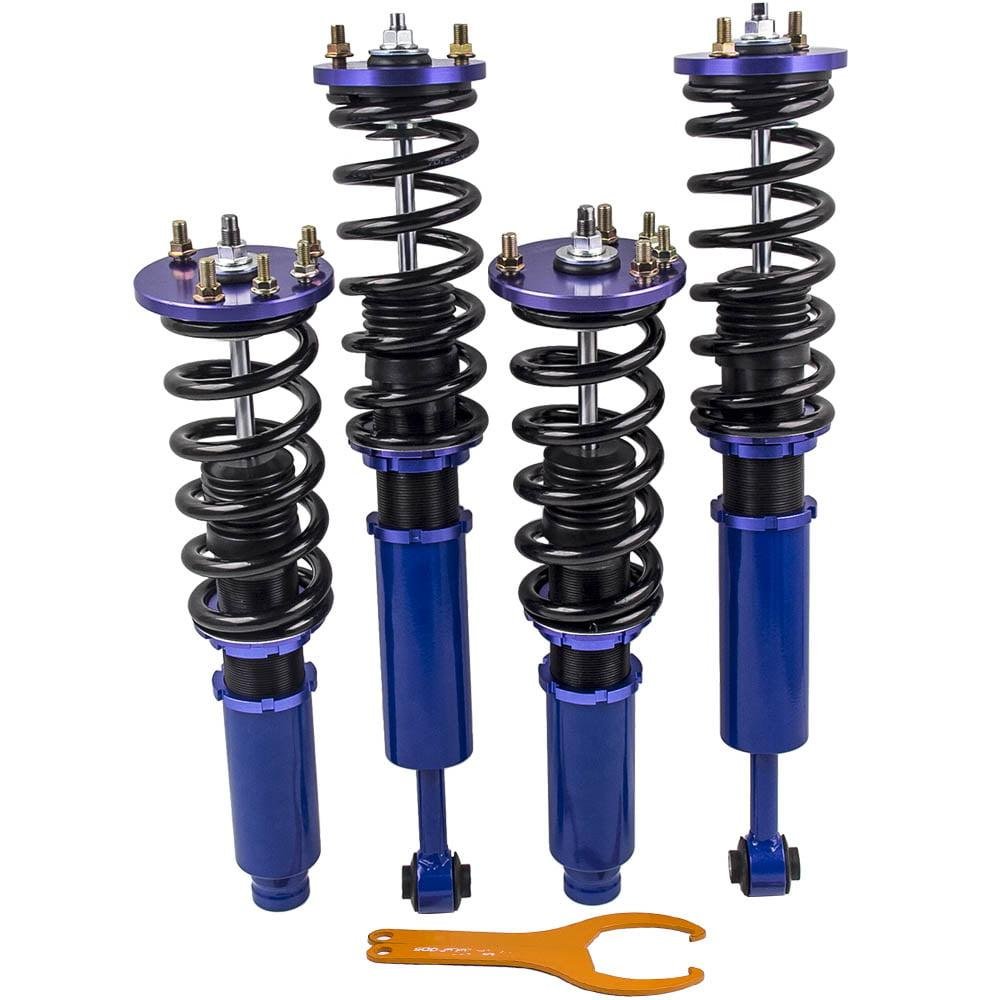
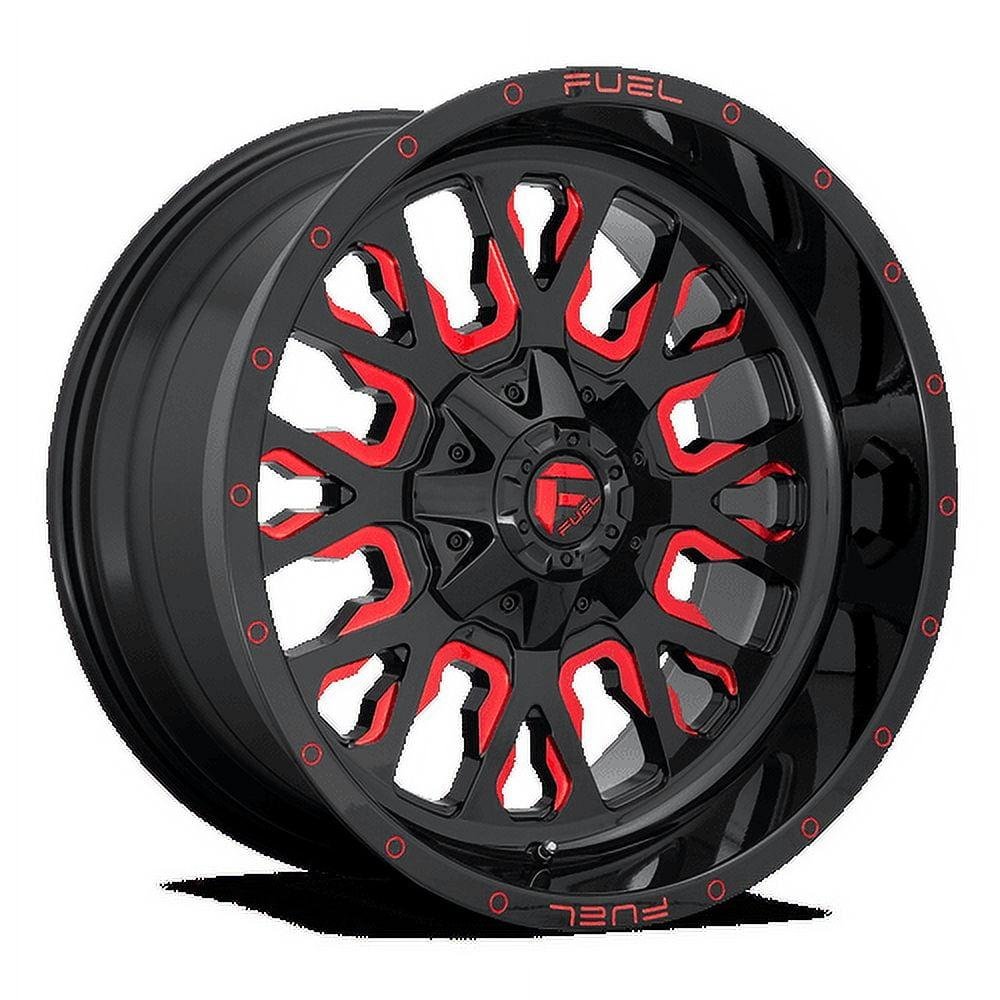
Shop related performance parts
Explore related products
Always check the individual product listing for your vehicle and engine before ordering.