The Fiesta ST is one of the best-loved hot hatches ever sold in Britain, and that means there is no shortage of Fiesta ST performance parts in the UK. The catch is that three very different cars have worn the badge. A Mk6 ST150 has a naturally aspirated 2.0-litre four-cylinder, the Mk7 ST180 and ST200 use a 1.6 EcoBoost turbo, and the Mk8 runs a 1.5-litre turbocharged three-cylinder. A part, a remap or a piece of forum advice that suits one generation can be wrong for the next.
Owners also tend to buy Fiesta ST upgrades in the wrong order. A remap is tempting, but on a light front-wheel-drive car the tyres, differential, clutch and brakes usually decide how quick it really is on a damp B-road or at a track day, long before peak power does.
This guide explains how the three generations differ, which upgrades make sense first for each, the weak points to check before spending money, and what UK MOT and insurance rules mean for a modified Fiesta ST. It covers the petrol ST models only, not ST-Line trims or the 1.0 EcoBoost Fiesta.
Quick Answer: Which Fiesta ST Upgrades Should You Do First?
For most Fiesta STs that are driven on the road and taken on the odd track day, the best first step is to sort the car’s condition and improve traction and braking before adding power. Use the table below as a starting point for your generation.
| Your car and driving | Recommended starting point | Main compromise |
|---|---|---|
| Mk6 ST150, mostly road use | Health check (clutch, brake pipes, handbrake), fresh bushes, quality tyres | Age-related repairs can use up the budget before any tuning happens |
| Mk6 ST150, track days | Fast-road or track pads and fresh fluid, cooling measures, alignment | Firmer pads and bushes add noise and harshness on the road |
| Mk7 ST180 or ST200, road use | Good tyres, pads and fluid, then a helical LSD if wheelspin is a problem | Fitting a diff means splitting the gearbox, so labour is a big part of the cost |
| Mk7 ST180 or ST200, Stage 1 or 2 | LSD, clutch rated above your real torque figure, intake with a reputable remap | More stress on the clutch and driveline; insurance premiums usually rise |
| Mk8 ST, road and track | Check whether the Performance Pack is fitted; pads, fluid, tyres and alignment first | Pre- and post-facelift cars, and build dates, affect parts fitment |
Treat these as starting points only: the right part always depends on the manufacturer’s rating and confirmed fitment for your exact model year and gearbox. You can browse our limited-slip differentials to see what is available for front-wheel-drive Fords.
Why Fiesta ST Owners Are Keeping and Building Their Cars
There will not be another one. The last Fiesta left Ford’s Cologne plant on 7 July 2023, as CAR magazine reported when production ended, with the factory being converted to build electric models. The Focus ST has since gone too, as our Focus ST performance parts guide explains, so there is no new affordable fast Ford to trade up to.
That has changed how many owners treat their cars. Rather than swapping every few years, more people are holding on to a good Fiesta ST and spending money on it: fixing age-related faults, sharpening the chassis and adding power in measured steps. Aftermarket support for all three generations remains strong in the UK, which makes that approach realistic.
Know Your Fiesta ST: Mk6, Mk7 and Mk8 Differences
Before ordering anything, confirm exactly which car you have. Facelifts, special editions, body styles and option packs all affect fitment, so check the model year and the parts listing rather than relying on the badge on the tailgate.
Mk6 Fiesta ST150 (2004–2008)
- Naturally aspirated 2.0-litre Duratec four-cylinder shared with the Mondeo and Focus, rated at 150PS, which is where the ST150 nickname comes from.
- Five-speed IB5 manual gearbox, a unit used across many Fords and generally robust.
- Front brakes shared with the Focus ST170, which work well on such a light car.
- Ford dealers offered Mountune performance packages from 2008, showing the engine responds to intake, exhaust, mapping and camshaft work.
The Fast Car Mk6 Fiesta ST buying guide highlights the usual checks: clutch slip, gearbox rumble or whine, rusty brake pipes, corrosion around the arches and sills, and handbrake cables that stretch or dry out. It also suggests that cars used on track benefit from relocating the power steering fluid tank and adding an oil cooler. Because the engine is not turbocharged, power gains are modest unless you go as far as camshafts and mapping, so chassis and brake work usually gives more for the money.
Mk7 Fiesta ST180 and ST200 (2013–2017)
- 1.6-litre EcoBoost turbocharged four-cylinder, officially rated at 182PS, with a time-limited overboost function adding more for short bursts.
- Six-speed manual gearbox driving the front wheels through an open differential, with brake-based electronic aids rather than a mechanical LSD.
- The limited-run ST200 of 2016 raised the base output to 200PS and could reach 215PS on overboost, along with a shorter final drive.
- Ford sold a dealer-fitted, Ford-approved Mountune MP215 upgrade for the regular ST, so tuning was part of the car’s story from new.
According to evo’s Mk7 Fiesta ST review, the ST200’s overboost lasts up to 20 seconds in third and fourth gear. That matters when you compare remap claims: always ask whether a quoted figure is a sustained output or an overboost peak, and compare like with like on the same rolling road.
Mk8 Fiesta ST (2018–2023)
- 1.5-litre EcoBoost turbocharged three-cylinder rated at 200PS, with a six-speed manual gearbox.
- The optional Performance Pack added a Quaife mechanical limited-slip differential, launch control and shift lights.
- The 2022 facelift kept 200PS but raised torque from 290Nm to 320Nm, and the later ST-3 included the Performance Pack as standard.
- Exhaust manufacturers list different systems for cars built before and after September 2020, so build date matters for fitment.
Auto Express covered the 2022 facelift and its extra 30Nm. Because many Mk8s already have a Quaife diff from the factory, the first job on a used car is to check its build specification. Spending money on an aftermarket diff for a car that already has one would be a costly mistake.
Fiesta ST Traction Upgrades: LSDs, Mounts and Bushes
On a Mk6 or Mk7, the single most noticeable chassis upgrade for many owners is a mechanical limited-slip differential. With an open diff, the inside front wheel spins away drive when you accelerate out of a tight bend, and electronic aids cut power or brake the wheel to compensate. A helical (ATB) diff such as a Quaife biases torque towards the wheel with grip, has no clutch plates to wear and is generally well suited to road use. Plate-type diffs lock more aggressively and are usually aimed at harder track or competition use. Our guide to plate vs helical vs Torsen differentials explains the trade-offs in more depth.
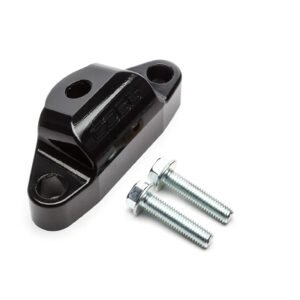
Fitting a diff means removing and splitting the gearbox, so it makes sense to plan it alongside other gearbox-off jobs such as a clutch replacement. On a Mk8, check first whether the Performance Pack diff is already there.
Engine mounts
The lower torque mount controls how much the engine rocks under load. A worn or soft mount allows more movement, which can add wheel hop and make the gear change feel vaguer. A polyurethane insert or uprated mount tightens things up, but it also passes more vibration into the cabin. How much depends on the hardness of the insert and on the engine, and a three-cylinder Mk8 is worth considering carefully here, so choose a road-focused grade unless the car is mainly used on track.
Suspension bushes and alignment
Every Mk6 is now well over 15 years old and many Mk7s are past ten, so the original rubber bushes may be tired. Uprated polyurethane bushes restore precision and reduce unwanted movement, but road-series grades are usually the better choice for UK roads. After any bush or suspension work, book a proper four-wheel alignment to the settings you want rather than a quick toe check.
Fiesta ST Remap and Power Upgrades
The turbocharged Mk7 and Mk8 respond well to tuning, but results depend on the fuel you use, the condition of the engine, the parts fitted and the quality of the calibration. Be wary of anyone promising a fixed figure without seeing your car on a rolling road, and ask whether a quoted number is a peak on overboost or a sustained output.
- Intake: a quality induction kit or panel filter improves induction sound and can help a remapped car breathe, but on its own the gains are usually modest.
- Intercooler: on a remapped turbo car, a larger intercooler helps control intake temperatures on hot days or repeated hard runs at a circuit.
- Remap: the biggest single gain on a Mk7 or Mk8, but it also adds stress to the clutch, driveline and cooling. A good tuner checks the car’s health first.
- Exhaust: cat-back systems are generally MOT-friendly; removing catalysts or other factory emissions equipment is not (see the MOT section below).
- Mk6 ST150: as a naturally aspirated engine, it needs more work for each extra horsepower, so many owners leave the engine largely standard and focus on the chassis.
Whatever the generation, fix any misfires, boost leaks or cooling issues before tuning. Adding power to a car with an existing fault simply finds the weak point faster.
Clutch, Gearbox and Driveline Reliability
The clutch is often the first part to complain on a tuned Fiesta ST. A standard clutch that copes at factory torque may start to slip after a remap, typically in higher gears at lower revs. When choosing an uprated performance clutch kit, compare the manufacturer’s quoted torque capacity with your car’s real torque figure from a dyno, and think honestly about how you drive. Organic friction materials are smoother and more forgiving in traffic, while paddle or ceramic designs hold more torque but engage more abruptly. Pedal weight and flywheel type also affect how the car feels day to day.
On any generation, listen for whine or rumble from the gearbox and check for notchy changes before upgrading. If the gearbox is coming out for a clutch, that is the time to consider a diff or bearing work, so you only pay for the labour once.
Brakes, Tyres and Suspension for Road and Track Days
Standard Fiesta ST brakes are fine for fast road driving, but a track day will expose standard pads and old fluid quickly. Before chasing bigger callipers, most owners get further with the basics:
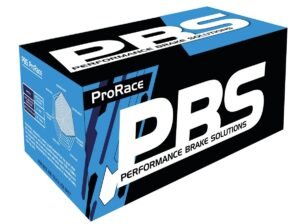
- Fast-road or track-rated performance brake pads matched to how often you visit a circuit.
- Fresh, high-boiling-point brake fluid, bled properly before each event.
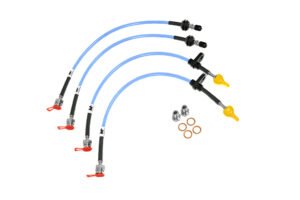
- Good-quality discs, and new brake pipes or braided hoses where the originals are corroded or perished, which is common on the Mk6.
- Quality performance tyres in the correct size and load rating; on a light car, tyres make a bigger difference than almost anything else.
Bedding-in procedures for new pads and discs vary by manufacturer, so there is no universal method; follow the instructions supplied with your parts.
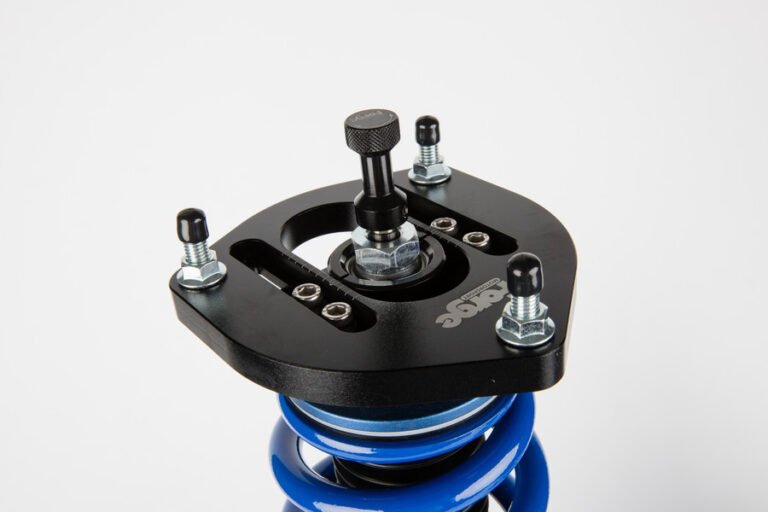
For suspension, quality lowering springs or coilovers can sharpen the car, but the factory ST set-up is already well judged, and going too low or too stiff can make a Fiesta skittish on bumpy British roads. If a Mk8 develops knocks over bumps, the Parkers Mk8 Fiesta ST review notes that several components can be responsible, including the dampers, driveshafts and CV joints, brake pad fitment and the optional Quaife diff, so get it diagnosed properly before replacing parts.
Fiesta ST Upgrades by Generation: What Owners Should Check
Use this table as a pre-purchase and pre-fitting checklist. It is written as checks rather than guarantees, because condition and specification vary a lot between individual cars.
| Model | Check before upgrading | Typical first upgrades to consider |
|---|---|---|
| Mk6 ST150 (2004–2008) | Clutch slip, gearbox noise, brake pipe corrosion, arches and sills, handbrake cables | Bushes, pads and fluid, tyres, alignment, cooling for track use |
| Mk7 ST180 (2013–2017) | Service history, boost behaviour, clutch condition, any existing tuning and its paperwork | Helical LSD, intake, reputable remap with a clutch matched to it |
| Mk7 ST200 (2016–2017) | Same mechanical checks; confirm parts listed for the ST200 specifically where it differs | As above; pads and fluid before track days |
| Mk8 ST (2018–2021) | Performance Pack fitted or not, build date before or after September 2020, any knocks over bumps | Pads, fluid, tyres, alignment; intake; carefully chosen remap |
| Mk8 ST facelift (2022–2023) | Trim and pack status, software level, warranty or service plan terms | As above; confirm fitment against the facelift car |
Examples from our range
- Quaife ATB diff for the Fiesta ST180 IB6 gearbox, a helical limited-slip differential for the Mk7.
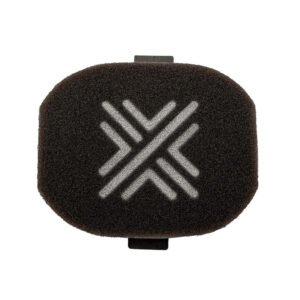
- Pipercross PK430 intake kit for the Mk8 Fiesta ST.
- Powerflex Road Series Handling Pack for the Mk6 Fiesta including ST (2002–2008).
Always confirm fitment against your registration, model year and gearbox before ordering. If in doubt, ask us first.
Fiesta ST Modifications, MOT and Insurance in the UK
Most bolt-on Fiesta ST upgrades are road legal, but a few areas need care.
MOT
The government’s list of car parts checked at an MOT confirms that the tester checks the exhaust is secure and complete, that a catalyst is not missing where one was fitted as standard, and that the system is not too noisy. Every Fiesta ST left the factory with a catalytic converter, so a decat downpipe or test pipe is not a road-legal option. Treat any factory petrol particulate filter on a later Mk8 the same way: parts that remove emissions equipment are for motorsport cars, not road cars. A loud aftermarket exhaust can also fail on noise, even with the cat in place.
Insurance
Tell your insurer about every change, including a remap, an intake or a diff. Undeclared modifications can lead to a rejected claim, and performance upgrades usually have the biggest effect on premiums. Our guide to car mods and insurance covers what to declare and how specialist insurers handle modified cars.
Warranty
A late Mk8 may still be covered by an extended warranty or service plan. Modifications, especially engine software, can affect claims, so read the terms before tuning.
Fiesta ST Upgrade Checklist: Before You Buy and Fit
- Confirm the generation, facelift status, build date, body style and option packs.
- Check whether a Mk8 already has the Performance Pack Quaife diff.
- Fix known faults first: clutch, brake pipes and corrosion on a Mk6; boost, cooling and clutch health on a Mk7 or Mk8.
- Get a health check before any remap, and compare dyno figures like for like.
- Prioritise traction, mounts and bushes before chasing peak power.
- Match the clutch rating to your real torque figure and driving style.
- Upgrade pads and fluid before your first track day.
- Book a four-wheel alignment after suspension or bush work.
- Keep the catalyst and factory emissions equipment on a road car.
- Declare every modification to your insurer.
Shop Limited Slip Differentials, Clutch Kits, Brake Pads and Air Intakes

Conclusion
With Fiesta production over, a well-sorted ST has become a car worth keeping rather than replacing. The most rewarding builds follow the same pattern whatever the generation: fix the known faults, improve traction and braking, then add power that the clutch, tyres and cooling can handle. On a Mk6 that usually means bushes, brakes and tyres; on a Mk7 a helical diff and a clutch matched to the map; and on a Mk8 checking the factory specification before buying anything.
Ready to start? Browse our limited-slip differentials range and the rest of our Fiesta ST parts at performancecarsparts.co.uk. If you are not sure what fits your car, contact our team on WhatsApp or by email with your registration and we will help you choose the right parts.
Shop related performance parts

Explore related products

Always check the individual product listing for your vehicle and engine before ordering.