






How to Build a Track-Day Car on a Budget: Essential Upgrades in the Right Order
It’s tempting to chase horsepower first when building a track car, but the fastest and most cost-effective route to real lap time gains almost never starts with the engine. Here’s an upgrade order that prioritises safety, consistency, and actual performance per pound spent.
1. Tyres — Before Anything Else
Tyres are, pound for pound, the single biggest performance upgrade available on almost any car. A fresh set of quality performance tyres, correctly sized and pressured, will transform grip, braking distance, and confidence far more than most bolt-on parts. If you do nothing else on this list, start here.
2. Brakes
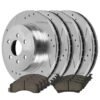
Track driving works brakes far harder than road use — repeated hard stops from higher speeds, lap after lap, generate far more heat than the factory system is designed for. Upgraded discs, a track-appropriate pad compound, and braided lines address brake fade and give you a consistent, trustworthy pedal deep into a session. This is a safety upgrade as much as a performance one, and it should come before you consider adding power.
3. Suspension: Bushings and Anti-Roll Bars First
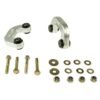
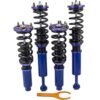
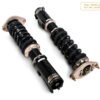
Before jumping straight to coilovers, polyurethane bushings and an anti-roll bar upgrade give a genuinely surprising handling improvement for relatively little cost, tightening up the chassis and keeping alignment consistent under hard cornering. If budget allows, follow with a coilover kit to add proper damping adjustability and a lower centre of gravity — but the bushings and roll bar foundation makes the coilovers work better too.
4. Cooling: Cheap Insurance
Track sessions push oil and coolant temperatures well beyond what road driving ever will. An oil cooler and a catch can are inexpensive relative to the rest of a build, and protect the engine from the accelerated wear that comes with sustained high-load track driving. Skipping this to save money early often costs far more later in engine repairs.
5. Weight Reduction
Removing unnecessary weight — rear seats, sound deadening, spare wheel (replaced with a repair kit) — improves acceleration, braking, and cornering simultaneously, and costs nothing beyond your own time. It’s consistently one of the best value upgrades in track car building, yet often overlooked in favour of bolt-on parts.
6. Power — Only Once the Above Is Sorted
Once tyres, brakes, suspension foundation, and cooling are addressed, power upgrades (intake, exhaust, turbo, tuning) start to actually translate into lap time, because the car can now put that power down, stop reliably, and handle the repeated heat cycling of a full track day. Adding power before this point often just means you go faster into the same braking and handling limitations — not a good trade.
A Realistic Budget Order
| Priority | Upgrade | Why First |
|---|---|---|
| 1 | Performance tyres | Biggest grip gain per pound spent |
| 2 | Brake discs, pads, lines | Safety and consistency under repeated hard stops |
| 3 | Bushings + anti-roll bar | Big handling gain, low cost |
| 4 | Coilovers | Adjustable damping once the foundation is right |
| 5 | Oil cooler + catch can | Protects the engine before you add load |
| 6 | Weight reduction | Free lap time, improves everything |
| 7 | Power upgrades (intake, exhaust, turbo, tune) | Now it’s usable |
Final Thoughts
The instinct to chase horsepower first is understandable, but it’s rarely where the fastest lap times — or the safest track days — actually come from. Get the car stopping, handling, and cooling properly first, and every upgrade you add afterward will be more effective because of it.
Browse brakes, suspension, and cooling parts to start your build.