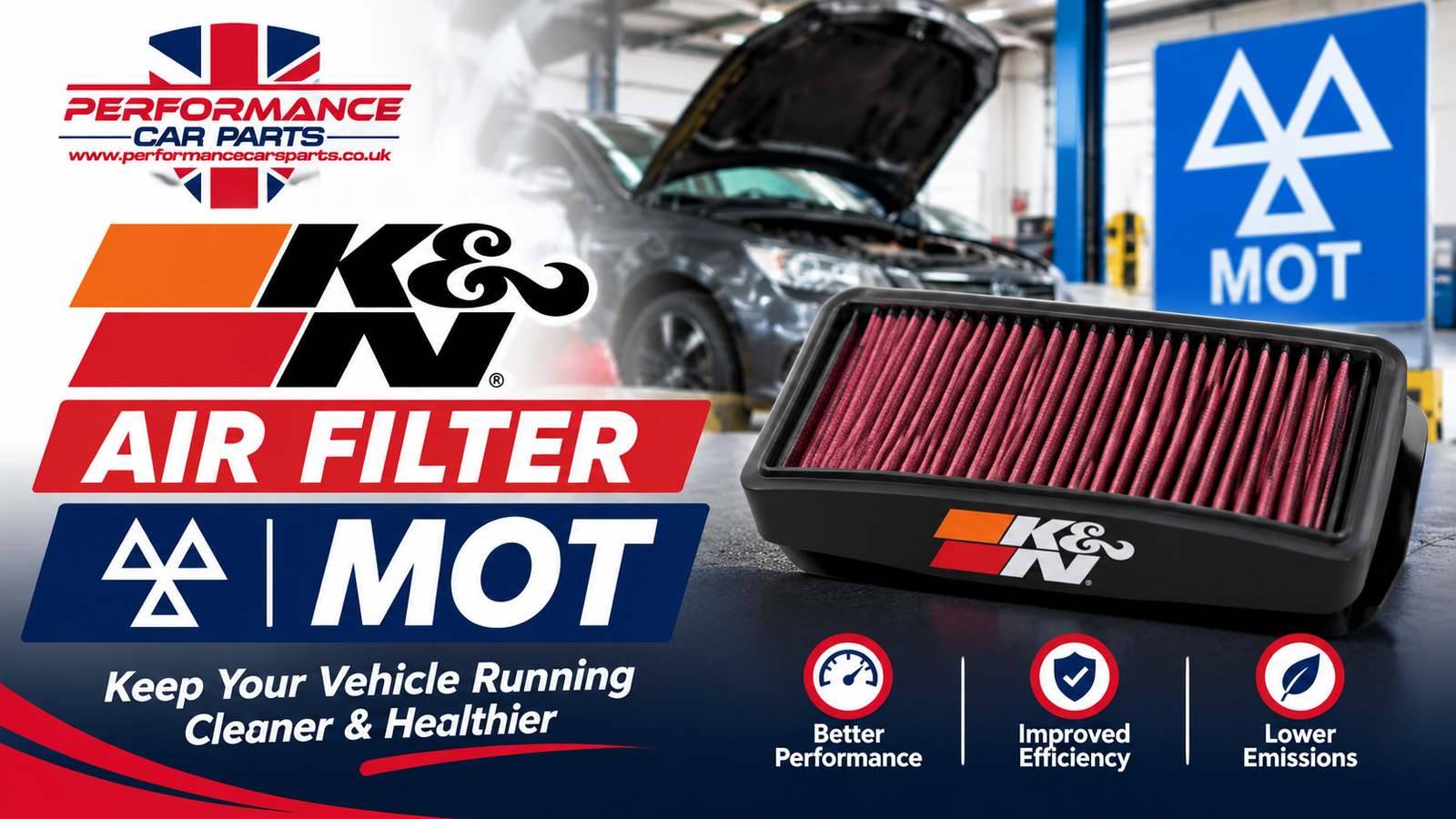
Short answer: no. The MOT never inspects your air filter, so a K&N drop-in replacement for your factory filter won’t cause a fail on its own. The tester cares about what comes out of the exhaust and whether the car’s emissions-control systems are fitted and working.
Below we explain what the MOT emissions test actually checks, where an air filter can make a difference (and where it can’t), and a simple checklist to run through before test day.
Key Takeaways
- The MOT checks exhaust emissions, visible smoke, warning lights and emissions equipment. It does not check the air filter.
- A correctly fitted, properly oiled K&N drop-in filter is unlikely to affect your result.
- Most emissions fails come from sensors, catalytic converters, injectors or DPF problems, not the filter.
- The one real risk with an oiled filter is over-oiling it after cleaning, which can upset the airflow sensor.
What the MOT Emissions Test Actually Checks
Emissions testing became part of the MOT for petrol cars in 1991, and diesels followed in 1994. On test day, the tester will:
- Measure exhaust gases with a probe in the tailpipe (petrol) or check exhaust smoke with a smoke meter (diesel).
- Look for visible smoke coming from the exhaust.
- Check that the engine management light works and isn’t showing a fault.
- Check that emissions equipment such as the catalytic converter or diesel particulate filter (DPF) is fitted.
The rules got stricter on 20 May 2018. Since then, a diesel with a DPF gets a major fault (an automatic fail) if the tester sees smoke of any colour from the exhaust, or finds evidence that the DPF has been tampered with. You can read the details in the government’s guide to the 2018 MOT changes.
You’ll notice the air filter isn’t on that list. The brand of filter in your airbox makes no difference to the tester.
Can an Air Filter Affect Your MOT Result?
Only indirectly. Most modern petrol and diesel engines use an air-flow sensor to measure the air actually going into the engine, then add fuel to match. So on a modern car, a badly clogged filter mainly costs you power and throttle response rather than pushing emissions over the limit. On older or already-marginal engines, restricted airflow can upset the mixture enough to matter.
When a car fails on emissions, the usual suspects are:
- A faulty oxygen (lambda) sensor
- A worn or failing catalytic converter
- Leaking or sticking injectors, or a misfire
- A blocked DPF on diesels used mostly for short trips
The one filter-related risk worth knowing: oiled cotton filters like K&N need re-oiling after cleaning. Too much oil can coat the air-flow sensor and bring on a warning light, and a lit engine management light is an MOT fail. Apply a thin, even coat, let it soak in, and wipe off any excess before you refit the filter.
Will a K&N Filter Void Your Car’s Warranty?
K&N’s Consumer Protection Pledge says that fitting its replacement air filters or intake systems won’t lead to a warranty claim being refused, and that K&N will step in if a dealer blames one of its products without proof.
In the UK, fitting good-quality non-dealer parts doesn’t automatically void a new-car warranty. A manufacturer can still refuse a claim if it can show that a part caused the fault. Keep your receipts and check your warranty booklet before making bigger changes.
Why UK Drivers Choose K&N Filters
- Washable and reusable: clean and re-oil the filter instead of buying a new paper one at every service.
- Long service intervals: K&N says its drop-in filters can go up to 50,000 miles between cleans in normal road driving. Check yours roughly once a year, and more often if you drive on dusty roads or track your car.
- Easy to fit: drop-in panel filters fit straight into the factory airbox, usually in 5–10 minutes with basic tools.
- Lifetime warranty: K&N backs its stock replacement filters with a limited lifetime warranty.
Browse our range of K&N air filters or pick up a K&N cleaning and re-oiling kit so your filter is ready for MOT day.
How to Choose the Right K&N Filter for Your Car
- Search by vehicle or part number. Make sure you buy the filter made for your exact make, model and engine. Our vehicle finder does this for you.
- Drop-in filter or intake kit? A drop-in panel filter replaces the factory filter and keeps everything else standard, so it’s the simplest choice for an MOT. An induction kit replaces more of the intake system and suits drivers chasing more performance and sound.
- Tell your insurer about modifications. A like-for-like replacement filter is rarely an issue, but many insurers treat induction kits as modifications. If you’re not sure, ask.
Pre-MOT Checklist
Give yourself a couple of weeks before the test so there’s time to fix anything you find. You can take the MOT up to a month (minus a day) early and still keep the same renewal date.
- Check the air filter. If you can’t see the filter’s wire mesh through the dirt, clean and re-oil it following K&N’s instructions, and don’t over-oil it.
- Deal with any warning lights. If the engine management light is on, have the fault codes read. It’s an MOT fail in its own right, and a new filter won’t fix it.
- Diesel? Give the DPF a chance. If your car mostly does short trips, a 20–30 minute run at steady motorway speed in the days before the test helps the DPF clean itself. Check for a DPF warning light.
- Look for smoke. Ask someone to watch the exhaust while you start the car and rev it gently. Smoke of any colour from a diesel with a DPF is a fail.
- Check your MOT history. Look up past advisories for free using the government’s MOT history checker. Last year’s advisories often turn into this year’s fails.
If you find a problem, get a quote from a trusted local garage before the test. It’s usually cheaper than an emergency repair after a fail.
Planning More Upgrades?
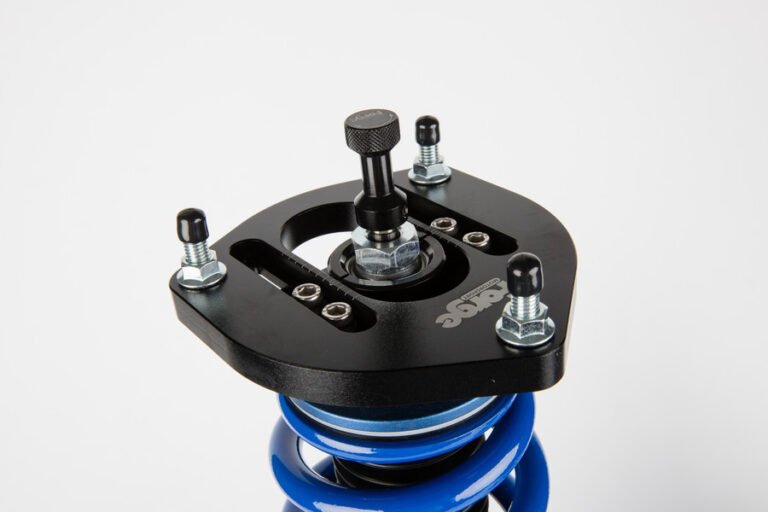
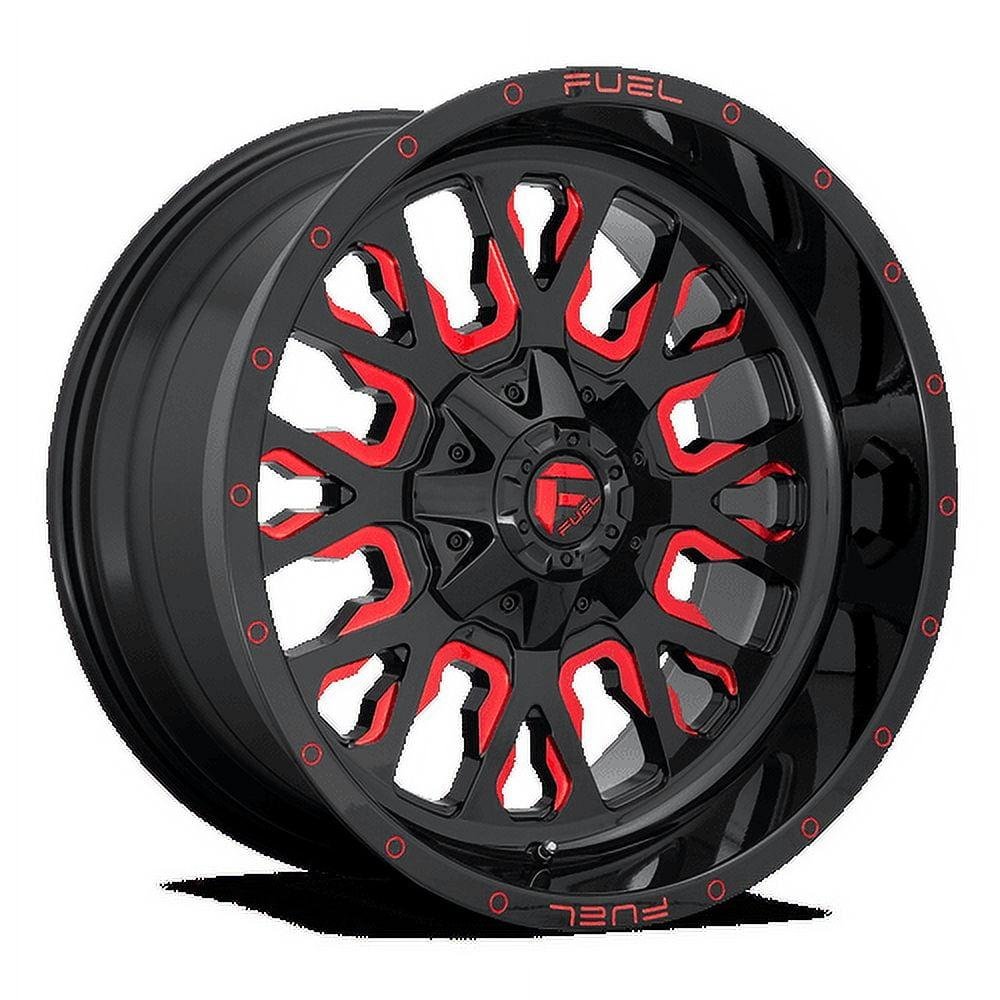
A K&N filter is often the first upgrade on a build. If you’re going further, take a look at our lowering springs for a lower, sharper stance, performance suspension bushes for tighter handling, and our range of Rays Gram Lights wheels to finish the look. Remember to tell your insurer about any modifications.
Frequently Asked Questions
Will a K&N air filter make my car fail the MOT?
No. The MOT doesn’t inspect the air filter. It only checks exhaust emissions, smoke, warning lights and emissions equipment. A correctly fitted and properly oiled K&N drop-in filter won’t cause a fail on its own.
Does changing my air filter affect the MOT emissions test?
Not directly. The tester measures what leaves the tailpipe, not the parts in your airbox. A clean filter simply helps the engine run as it should.
Can a dirty air filter cause an MOT emissions fail?
It’s rarely the main cause on a modern car, but a badly clogged filter can make things worse on an engine that’s already borderline. Faulty sensors, catalytic converters, injectors and DPFs are far more common causes.
Will fitting a K&N air filter void my warranty?
K&N’s Consumer Protection Pledge says its replacement filters won’t lead to a warranty claim being refused. In the UK, using quality non-dealer parts doesn’t automatically void a warranty, but a manufacturer can refuse a claim if a part caused the fault.
How often should I clean a K&N air filter?
K&N says its drop-in filters can go up to 50,000 miles between cleans in normal road driving. Check the filter at least once a year, and clean it sooner if you drive in dusty conditions or can no longer see the wire mesh.
Do I need to tell my insurer about a K&N air filter?
A like-for-like replacement panel filter is unlikely to matter, but induction kits are often treated as modifications. Check with your insurer if you’re unsure, because not declaring a modification can affect a claim.
Get MOT-Ready with Performance Car Parts UK
A clean, quality air filter takes one easy risk off the table for very little money. Shop K&N air filters for your car today, and get in touch if you need help finding the right part.
Shop related performance parts

Explore related products

Always check the individual product listing for your vehicle and engine before ordering.