Imagine unboxing a set of performance car parts, only to find they don’t fit. It’s a common anxiety, but it doesn’t have to be a nightmare. Buying performance car parts online is a safe and efficient way to upgrade your vehicle, provided you understand the rules around returns and fitment. This guide will walk you through the entire process, from preventing a return to handling one should it occur.
You’ll learn three essential fitment checks to perform before ordering, and we’ll clarify the crucial differences between a change of mind, faulty goods, and items not as described. We’ll detail your 14-day right to change your mind, even for fitted parts, and explain how to raise a claim with evidence that speeds up a refund. We’ll also cover who bears the risk when a fitment error happens and highlight common mistakes that weaken a claim. By the end, you’ll know how to approach your next order with confidence, ensuring your statutory rights are protected.
Can You Return Performance Car Parts Bought Online in the UK?
Yes. Your statutory rights are against the trader who sold you the part, so any claim goes to the retailer first. The Consumer Rights Act 2015 requires goods to be of satisfactory quality, fit for purpose and as described. Treat any manufacturer’s guarantee as an extra, and check its terms.
Two separate rights run side by side. The 14-day change-of-mind right for distance sales applies even when nothing is wrong with the part. Faulty goods and goods that are not as described follow different remedies.
Buying online comes with the distance-sale cancellation right, so the part that most needs care is the fitment homework rather than the sales channel. Verifying the part number, dimensions and vehicle identity before you order does more for you than any after-sales promise. Our performance parts guide explains the upgrades worth planning, and you can search by part number to confirm a fitment before paying.
Performancecarsparts.co.uk sells online only, which is how it keeps prices low across brakes, exhausts, suspension, forced induction, engine parts, oils, cooling and motorsport accessories. Support is by email and WhatsApp if you want to check a number or a fitment before ordering.
Why Online-Only Buying Works When You Do the Fitment Homework
Online-only selling is not a compromise you tolerate; it is the reason the catalogue can be as deep as it is. A broad online range can hold the niche fitments across brakes, suspension, thermostats, heating and cooling, electrical parts and engine components that a local counter rarely stocks for one specific model and year. Local counters mostly stock fast-moving lines; anything else tends to be a special order with a wait, or a part sized for the standard model rather than your variant. Online-only retailers keep prices lower by not funding showroom space, which matters most on bulky, high-value items such as exhaust systems and suspension kits. The trade-off is that you cannot hold the part before you pay, which is exactly why fitment checks carry so much weight, whether you are sourcing Audi parts in the UK or any other marque. Before ordering from any online seller, find three things in writing: the returns window, how refunds are paid, and how to contact them. Email and WhatsApp support give you a dated written trail, which beats a phone call if a dispute arises.
Next, we will look at the three fitment checks that help prevent returns.
Before You Order: Three Fitment Checks That Prevent a Return
No counter to lean on means the checks have to happen before payment. Three do most of the work.
1. Match the full vehicle identity. Work from the registration or, where there isn’t one, year, engine code, trim and drivetrain together. Performance variants often share a badge but not a mounting pattern, a sensor plug or an exhaust flange. Badge-level matching is where most wrong-fit orders begin.
2. Match the part number. Cross-check the seller’s number against the OEM reference and any superseded numbers. Treat generic cross-references with suspicion when they only claim to cover the standard model.
3. Match the dimensions. Diameter, thread pitch, hose bore, flange bolt spacing, offset and sensor thread are what separate fitted from returned. A small difference on a brake line fitting or a wheel bolt can be enough to stop a job, and flange and bore measurements matter just as much when you compare exhaust pipes for performance cars.
Think beyond the headline part. Gaskets, seals, banjo bolts, clips, brackets and fixings can be model-specific, and a missing item can easily look like a wrong-fit problem once the car is on stands.
Keep a record. Screenshot the listing, the OEM number and the specification you matched against. If a dispute starts, that trail shows the order was placed correctly rather than guessed.
Change of Mind, Faulty Goods or Not As Described: Which Right Applies?
Those three checks are prevention. When something still goes wrong, identify the route before you contact the seller: the clock and remedy differ.
Change of mind is the distance-sale cancellation right: tell the seller within 14 days of delivery, return the item within a further 14 days, and the seller refunds within 14 days of receiving it. Nothing needs to be faulty. Faulty goods: reject within 30 days for a full refund; after that the seller normally gets one repair or replacement attempt before a partial refund, and a fault appearing within six months is generally presumed to have existed at delivery. Not as described or wrong item: the part must match the listing, even if it works.
Fitting does not automatically extinguish the change-of-mind right, but expect a deduction for use and wear: an exhaust that has been run or scrubbed pads will not refund in full.
| Route | Trigger | Notification window | Return postage | Remedy |
|---|---|---|---|---|
| Change of mind | Nothing wrong | 14 days from delivery; 14 days to return | Check seller’s Returns & Refunds | Refund within 14 days of receipt, minus use deduction |
| Faulty goods | Faulty on arrival or later | 30 days to reject; then one repair or replacement attempt | Confirm with seller | Full refund, repair, replacement, then partial refund |
| Not as described | Wrong part, number, photo or spec | Report promptly; 30 days strengthens claim | Confirm with seller | Refund or replacement |
The Consumer Rights Act 2015 is listed with changes in force by 25 October 2026, and amendments to sections 11, 12, 36 and 37 are pending, so verify current timeframes.
Your 14-Day Change-of-Mind Right Once a Part Is Fitted
The clock is the one already set out above, running from delivery rather than from fitting, so what changes once a part is fitted is the refund you can expect. Three points matter:
- Expect a diminished-value deduction. Once a part has been run, bled, torqued or road tested, it cannot return to stock as new. A test-fitted exhaust or scrubbed brake pads illustrate why a full refund may not follow.
- Keep the packaging and kit together. Retain labels, boxes and all hardware. Missing fixings, split bags or a discarded box may affect how the seller treats the return.
- Prove the return. A distance seller may withhold the refund until the goods arrive or you supply proof of return. Use a tracked service, keep the receipt and photograph the packed parcel before sending it.
Keeping the packaging and proof of return also strengthens your position if the seller disputes the condition of the returned part.
How to Raise a Claim: Evidence That Speeds Your Refund Up
If a part arrives wrong, faulty or damaged, the strength of your claim rests on what you can show, so gather evidence before you argue.
Photograph the parcel before you open it, then the part, its label, its part number and any defect or damage in close-up. Timestamped images settle most disputes about condition on arrival. Keep the listing as well: a screenshot of the wording, photos and part number is what you compare the delivered item against, and it is the evidence that turns a fitment complaint into a claim that the part is not as described.
Report in writing inside the correct window and state three things plainly: what you ordered, what arrived, and the remedy you want, whether that is a refund, a replacement or a repair. On suspected faults, add technical evidence. A fault code, a short video of the failure, a photographed measurement or a garage’s written diagnosis each cuts the back-and-forth dramatically.
Ask for the returns address and a reference, then send the item tracked. As covered above, expect the refund to wait for proof of return. If the retailer stalls, escalate in writing and keep every message.
Installation Is a Contract Term Only If It Was Agreed: Who Bears Fitment Risk
With the evidence trail in place, the decisive question is who owns the fitment risk. The statutory installation duty applies only where fitting was part of the contract you agreed. Buy a part to fit yourself and the installation risk is yours; no returns policy changes that.
Seller risk covers the wrong part sent, a part that does not match the listing, a part faulty as supplied, or a part that does not do what the description promised. Buyer risk covers ordering the wrong variant, trusting a cross-reference that ignores your engine code, or damaging a component through cross-threading, over-torquing or ignoring a torque spec.
A part that fails because of how it was installed is a different problem from a manufacturing fault, and framing it as one is where buyers most often lose a dispute. If a garage fitted the part and their work caused the problem, the installation claim is likely to sit with the garage; your claim against the parts seller is limited to the part itself. Keep the fitting invoice and any torque sheet. The same logic applies when planning an aftermarket exhaust system upgrade.
Common Mistakes That Weaken a Performance Parts Claim
Knowing who bears fitment risk is only useful if you do not undermine your own position. These five mistakes weaken otherwise valid claims.
- Ordering by badge or model name, not engine code and variant. Arguing fitment after the part has been fitted and run hands the seller a strong response. A general guide to what performance car parts are does not replace matching your exact variant.
- Binning the packaging and labels. Without them you cannot show how the part arrived or whether the fitting kit was complete, which opens the door to a reduced refund.
- Waiting for a free weekend before checking the part against the listing. That delay quietly erodes the 14-day change-of-mind period and the 30-day rejection window for faulty goods.
- Labelling an installation error as a fault. As covered above, this puts the claim in the wrong category and slows it down.
- Relying on a phone conversation. Keep the trail in writing by email or WhatsApp so dates, the agreed remedy and the returns reference are documented and quotable.
What to Do Before Your Next Performance Parts Order
Those mistakes share one fix: a short routine before and after every order. Before you pay, run the three fitment checks above. Learn the three clocks: 14 days to cancel a distance sale from delivery, 30 days to reject faulty goods for a full refund, then one repair or replacement attempt before a partial refund. On arrival, photograph the parcel and the part, keep packaging and labels, and report any problem in writing inside the window so the seller has the facts while the dates work for you. Respect the risk split: sellers carry wrong, faulty and mis-described parts, while a fitment error on a part you selected and fitted is your own cost. If you are unsure whether a part fits your car, ask before ordering. Performancecarsparts.co.uk trades online only and answers fitment and part number queries by email and WhatsApp, so the check costs a message rather than a return. For background on the business, read more about us.
Conclusion
Returns for performance parts usually come down to preparation, not luck. If you are unsure whether a part fits, ask before ordering. Do the homework once and drive on with confidence.
Shop related performance parts
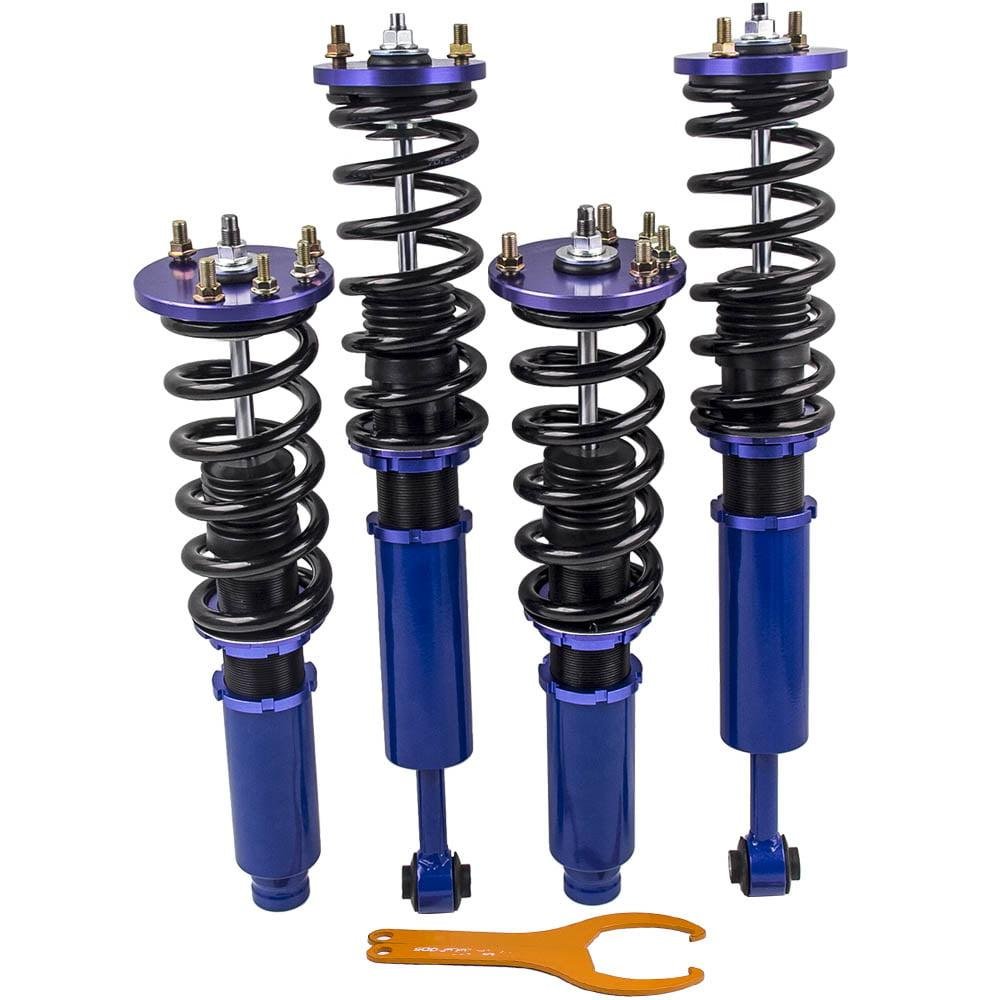
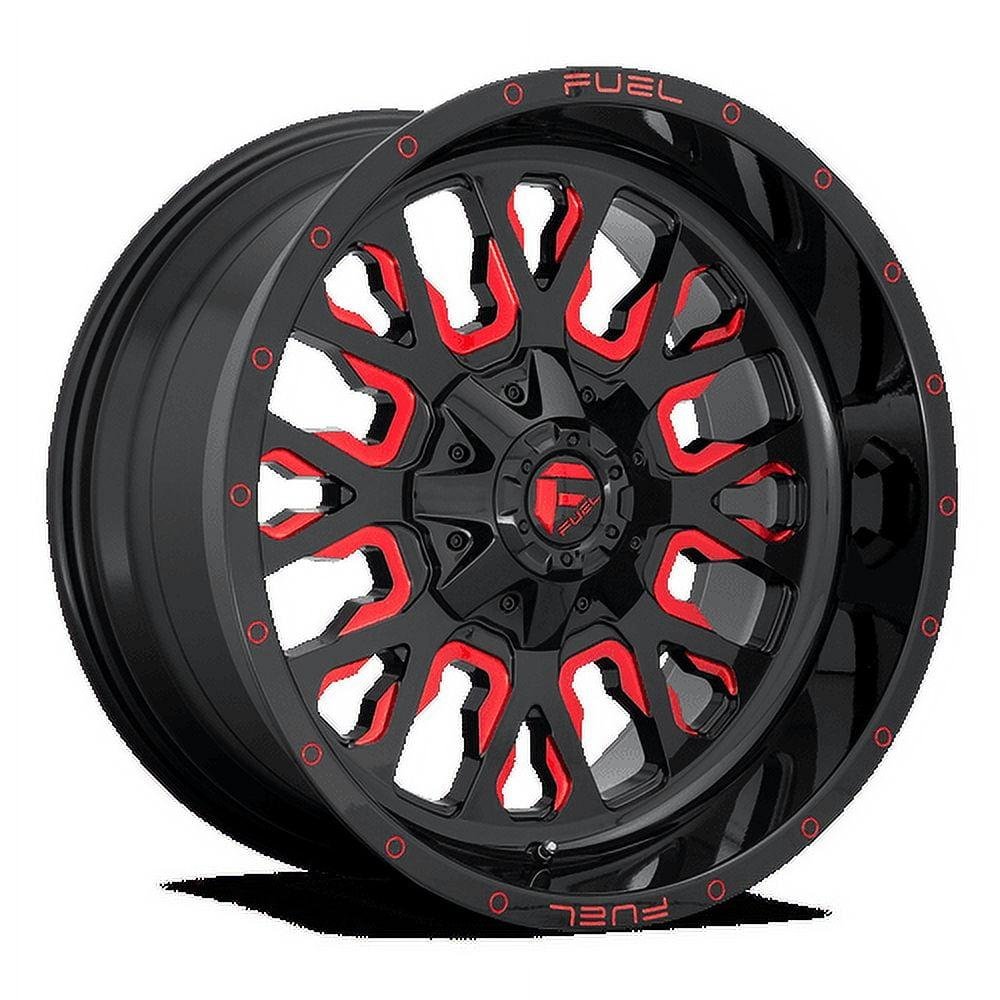
Explore related products
Always check the individual product listing for your vehicle and engine before ordering.