The Toyota GT86 and its Subaru BRZ twin arrived in the UK in 2012 with a simple promise: a light, front-engined, rear-wheel-drive coupe that rewards driving skill more than raw power. The GR86 that followed kept the formula and added a bigger engine. More than a decade on, these cars are some of the most popular platforms for UK enthusiasts who want a car that works on the commute, on a B-road and at the occasional track day.
The trouble is that the aftermarket for the 86 is huge, and not every upgrade suits every car or every owner. Buying GT86 performance parts in the UK without a plan often ends with a car that is louder and stiffer but no quicker or more enjoyable, or with money spent on power before the basics are sorted. GR86 owners face slightly different priorities again, particularly if they plan to use the car on track.
This guide explains how the GT86, first-generation BRZ and GR86 differ, which health checks to do before modifying a used car, and a sensible order for GR86 upgrades and GT86 upgrades: suspension, handling, brakes and tyres, oil control and cooling, then power. We finish with the UK MOT and insurance points to bear in mind and a checklist to use before you buy anything.
Quick Answer: Which GT86 Upgrades Should You Do First?
For most owners, the best first spend is on tyres, brake pads and fluid, and a well-chosen suspension upgrade, because the 86 chassis is the reason people buy the car. Power modifications make more sense once the car stops, turns and stays healthy on track. Use the table below as a starting point.
| Your car and driving | Recommended starting point | Main compromise |
|---|---|---|
| GT86 or BRZ, mostly road use | Better tyres, quality lowering springs or mild coilovers, fresh fluids | Ride quality changes if spring rates go too high |
| GT86 or BRZ, regular track days | Track-capable pads and fluid, adjustable coilovers, alignment, oil temperature monitoring | More noise, dust and setup time |
| GR86, road and occasional track | Pads and fluid, oil control measures, then suspension fine-tuning | Factory chassis is already capable, so gains are smaller and costlier |
| Any 86 chasing more power | Sort brakes, cooling and engine health first, then intake, exhaust and a tune | Naturally aspirated gains are modest; forced induction adds cost, heat and complexity |
Final choice always depends on the manufacturer’s fitment list for your exact model and year, so check part numbers against your car before ordering. You can browse our coilover range to see what is listed for the 86 platform. This guide covers the GT86 (2012–2021), the first-generation Subaru BRZ and the GR86 as sold in the UK; drivetrain advice is aimed mainly at manual cars.
Know Your Platform: GT86, BRZ and GR86 Differences
Parts compatibility on the 86 family is better than on many platforms because Toyota and Subaru developed the cars together, but there are important differences between generations. Always confirm the chassis code before you order.
GT86 (ZN6) and BRZ (ZC6), 2012–2021
The first-generation cars use a 2.0-litre naturally aspirated flat-four, known as FA20 at Subaru and 4U-GSE at Toyota, with Toyota’s D-4S system combining direct and port injection. Toyota UK quoted 197bhp and 205Nm, with peak torque arriving high up at 6,400–6,600rpm. That high torque peak is why the car needs revving and why many owners talk about a soft patch in the mid-range. Kerb weight sits roughly between 1,200kg and 1,300kg depending on specification, according to PistonHeads’ GR86 buying guide, which also covers the GT86 background.
The GT86 and BRZ are mechanically very close, so most suspension, brake and engine parts listed for one fit the other. The BRZ is much rarer on UK roads, so you will see far more parts and setup advice written with the Toyota in mind.
The 2017 facelift
A 2017 update brought a small power increase on manual cars and, more usefully, better low-down torque, along with styling and chassis tweaks. Autocar’s GT86 buying guide suggests a 2017-on car if you are not fussy about budget. Some body and aero parts differ between pre- and post-facelift cars, so check fitment carefully for bumpers, splitters and lights.
GR86 (ZN8), UK sales from 2022
The GR86 keeps the same basic layout but enlarges the engine to 2.4 litres (FA24). Toyota UK’s launch announcement quotes 231bhp and 250Nm, against the GT86’s 197bhp and 205Nm, and Toyota says peak torque now arrives at 3,700rpm. The body is new, with aluminium used for the bonnet, roof and front wings, and a limited-slip differential is standard. UK supply was small and the car was withdrawn from the European market because of new safety regulations, so most GR86s here are low-mileage and well kept. Many GR86 parts are specific to the ZN8, but some items carry over from the earlier car, so read listings carefully.
Before You Modify: Health Checks on a Used GT86 or GR86
Modifications amplify whatever condition a car is already in. Before spending on parts, make sure the basics are right.
- Recall work: early GT86s built between April 2012 and May 2013 were recalled to replace valve springs, and there was a separate recall for power steering on early cars. What Car’s GT86 reliability review recommends confirming with a Toyota dealer that the work has been done.
- Oil history: the flat-four needs regular changes with the correct specification oil, especially if the car has seen track use. Ask for receipts and check the level and condition yourself.
- Gearbox feel: notchy changes, particularly into second, are a known characteristic on some cars. Fresh gearbox oil can help, but a crunching synchro under gentle use needs investigating before you add a clutch or more power.
- Underside condition: look at subframes, suspension arms and fixings for corrosion, as seized bolts can turn a simple suspension fit into a long job.
- Previous modifications: on a used car, find out exactly what has been fitted and by whom. Unknown tunes, cheap coilovers or removed emissions parts can cause MOT and insurance problems.
GT86 Coilovers, Springs and Dampers
Suspension is the upgrade most 86 owners reach for first, and it is where the biggest mistakes are made. The standard car rides and handles well, so the aim is to improve body control and adjustability without making the car crashy on UK roads.
Lowering springs
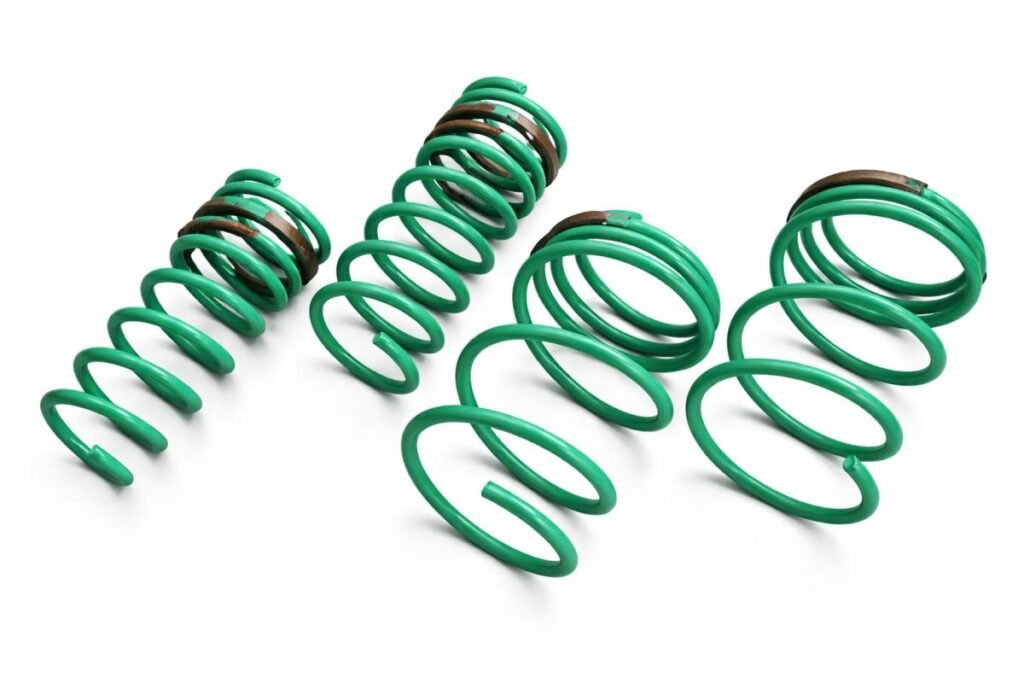
Springs are the simplest and most affordable way to lower the car and reduce roll. They work with the standard dampers, so they suit road cars with healthy original shocks. The downside is that the factory damper was designed for the original spring rate and ride height, so very aggressive drops can shorten damper life and reduce bump travel. For the GR86, the TEIN S.Tech lowering springs for GR86 and BRZ ZD8 are a good example of a mild, road-focused drop.
Coilovers
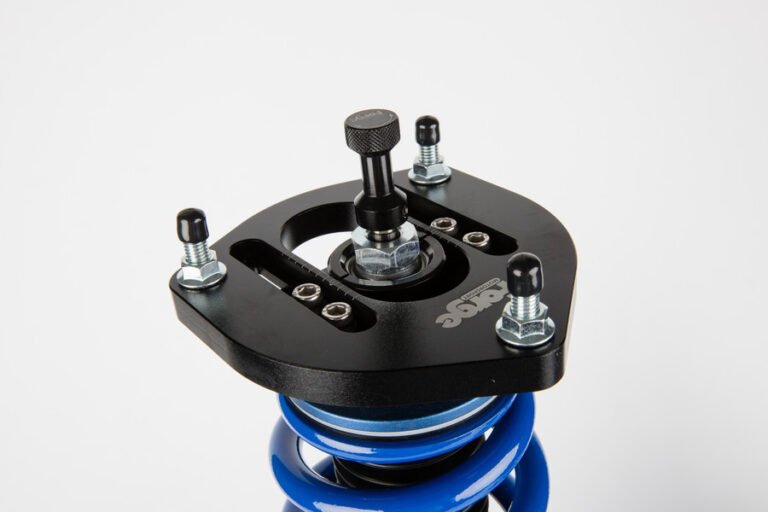
Coilovers replace both spring and damper and add height adjustment, and usually damping adjustment too. That makes them the better choice for owners who do track days, want to corner-weight the car or need to tune the balance between understeer and oversteer. A road-biased kit such as the TEIN Flex Z coilover kit for the GT86 and BRZ (2012–2021) gives adjustability without the very high spring rates of a motorsport kit.
Whatever you fit, budget for a proper four-wheel alignment afterwards. Ride height changes alter camber and toe, and the 86 is sensitive to alignment settings. It is also worth replacing tired rubber bushes at the same time; our guide to Powerflex polyurethane bushes explains the trade-offs between sharper response and extra noise and vibration.
GT86 Anti-Roll Bars, Strut Braces and Chassis Bracing
Anti-roll bars are one of the most effective tools for adjusting the 86’s balance. Because the car is rear-wheel drive and fairly neutral as standard, small changes front or rear can make a big difference to how it behaves at the limit.
- Adjustable anti-roll bars let you tune roll stiffness without changing springs. Kits that cover both axles, such as those in our anti-roll bar range, are designed to be set up as a pair, so follow the manufacturer’s recommended starting holes.
- Stiffer rear bars generally help rotation, while a stiffer front bar tends to add stability, but the actual result depends on spring rates, tyres and alignment, so change one thing at a time.
- Strut braces and under-body braces are popular on the GT86. Their effect is usually subtle on a road car; they make most sense once the suspension and tyres are already sorted.
- Polyurethane anti-roll bar bushes sharpen the response of a standard or uprated bar and are a cost-effective first step.
Brakes and Tyres for UK Road and Track
The standard GT86 famously came on modest 215/45 R17 tyres of the type also used on the Toyota Prius, a deliberate choice to keep grip levels approachable. The GR86 moved to Michelin Pilot Sport 4 tyres. On a GT86, a quality performance tyre is often the single biggest improvement you can make, but it also raises the cornering loads on the brakes, suspension and engine lubrication, which matters for what comes next.
For brakes, most road and occasional track drivers do not need a big brake kit straight away. The usual sequence is:
- Fresh, high boiling point brake fluid before any track day.
- A fast-road or track pad suited to how often you go on circuit, bedded in following the pad manufacturer’s procedure, as there is no universal bedding routine.
- Braided hoses for a more consistent pedal if the originals are tired.
- Larger calipers and discs only if you are still overheating the brakes after the steps above, or you have added significant power or grip.
Oil Control and Cooling: Don’t Skip This on Track
This is the least glamorous upgrade area and arguably the most important for anyone who takes an 86 on circuit. PistonHeads reports that a small number of GR86 engine failures occurred on cars used heavily on tracks with long right-hand bends, where the sump and oil pickup design could allow oil starvation. Fixes it mentions include fitting an accumulator, baffling the sump or using larger aftermarket sumps, and it notes that keeping oil fresh, of the right specification and not overheated is important on any hard-driven 86.
Practical steps for track-day owners include:
- Sump baffling: parts such as the CUSCO oil pan baffle plate for the GR86 and BRZ FA24 are designed to help keep oil around the pickup under sustained cornering.
- Oil temperature and pressure monitoring: accurate gauges tell you when to back off before damage is done, and help you decide whether you need extra cooling.
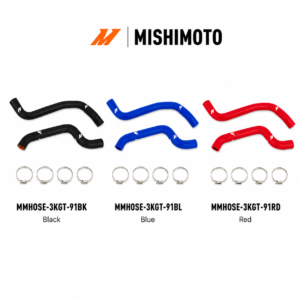
- Oil coolers: worth considering if temperatures climb during longer sessions, especially in summer or with stickier tyres. Our engine cooling upgrades guide covers radiators, oil coolers and hoses in more detail.
- Shorter oil change intervals: after track days, follow a stricter schedule than the standard service interval, and check the level between sessions.
More Power: Intakes, Exhausts, Headers and the Torque Dip
Power is where expectations need managing. A naturally aspirated engine with no forced induction responds less dramatically to bolt-ons than a turbocharged one, so an intake or cat-back exhaust on its own changes sound and feel more than outright performance. Gains depend on the specific parts, the fuel used and, above all, the tune that accompanies them.
Exhausts and headers
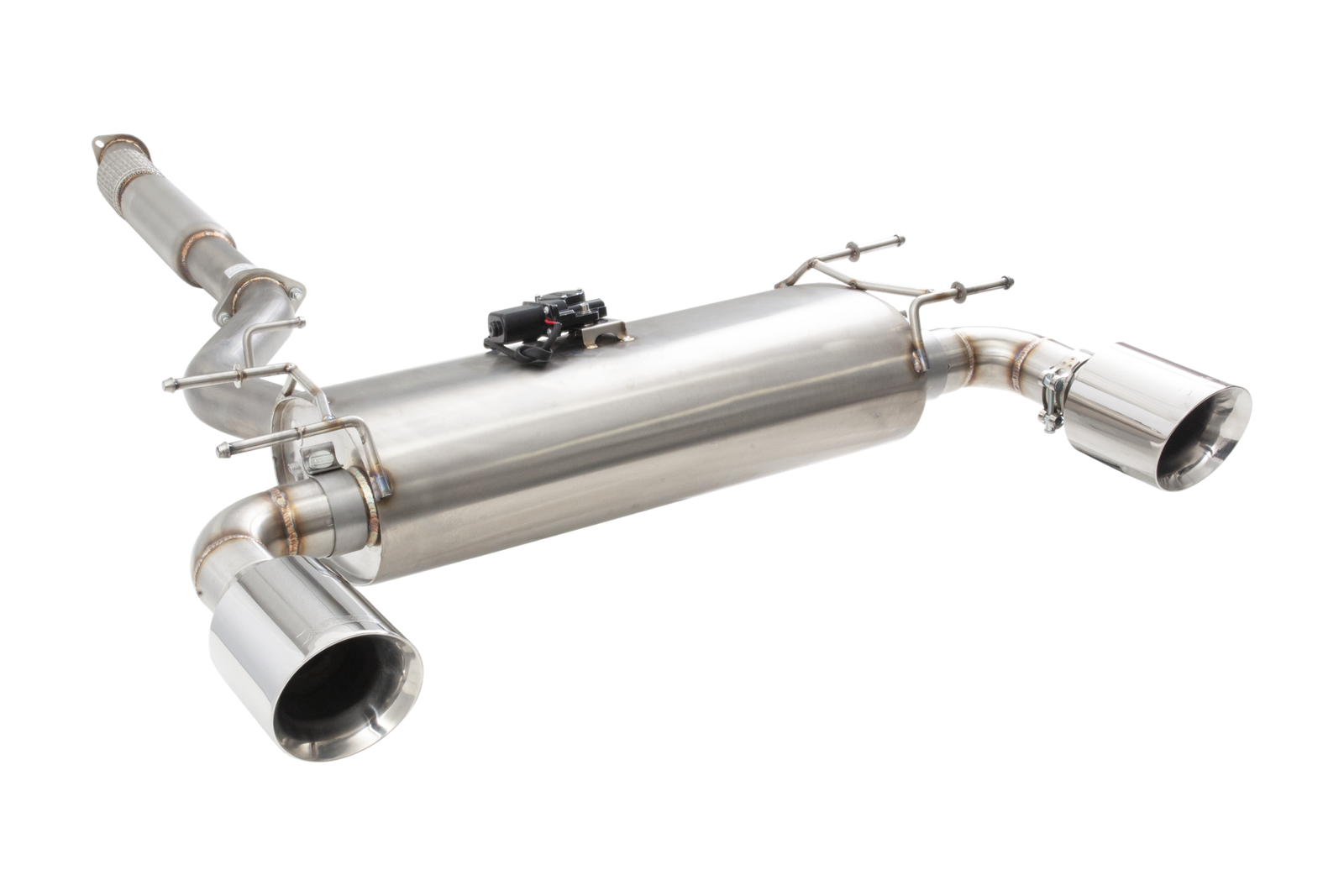
A cat-back system is the usual first step and can be chosen mainly on sound and weight. Valved systems such as the XForce VAREX valved cat-back exhaust for the GT86, GR86 and BRZ let you keep the car quieter around town and open it up on track, which is useful at circuits with noise limits. You can compare other options in our cat-back exhaust range.
On the first-generation car, owners and tuners often point to aftermarket headers combined with a remap as the way to address the mid-range torque dip. Be careful here: headers that remove or relocate the catalytic converter raise MOT and legality questions, which we cover below.
Forced induction
Turbo and supercharger kits have been widely available for the GT86 for years and offer the biggest gains. They also bring the biggest changes in cost, heat, fuel system demands, clutch load and insurance. Specialists generally advise that higher-power builds need attention to the engine internals and supporting systems, so treat forced induction as a complete project rather than a bolt-on.
GT86 and GR86 Upgrades by Model: What Owners Should Check
The table below is a set of checks rather than a list of guaranteed fixes. Use it to make sure the parts you buy suit the exact car in front of you.
| Model | What to check before upgrading |
|---|---|
| Early GT86 / BRZ (2012–2013) | Valve spring and power steering recall status; service history; gearbox feel |
| GT86 / BRZ (2013–2016) | Condition of standard dampers before fitting springs; tyre age and type; underside corrosion |
| GT86 facelift (2017–2021) | Facelift-specific body and aero fitment; suspension part numbers for the updated chassis |
| GR86 (ZN8) | ZN8-specific part numbers; oil control measures if tracked; warranty implications of modifications |
| Any modified 86 | What has already been fitted, who tuned it, and whether insurance has been told |
Examples from our range:
- TEIN Flex Z coilovers – GT86 / BRZ 2012–2021
- TEIN S.Tech lowering springs – GR86 ZN8 / BRZ ZD8
- CUSCO oil pan baffle plate – GR86 / BRZ with FA24 engine
- XForce VAREX valved cat-back exhaust – GT86 / GR86 / BRZ
UK MOT, Legality and Insurance
Most handling and brake upgrades cause no MOT issues if they are fitted correctly, but exhaust and engine changes need more care. The DVSA MOT inspection manual says exhaust noise must not be unreasonably above what you would expect from a similar vehicle with a standard silencer in average condition, and lists emission control equipment that is missing or obviously modified as a major defect. In practice that means:
- Keep a catalytic converter in the system on a road car; decat parts are generally sold for off-road or motorsport use only.
- Choose exhausts with sensible noise levels, or a valved system, if you drive on the road and attend circuits with noise limits.
- Make sure the engine management light is off and the car passes the emissions test after any tune or engine change.
- Check ride height leaves enough clearance for speed bumps, and that tyres and wheels do not rub on full lock or under compression.
Insurance is just as important. Insurers generally expect to be told about modifications that change performance, handling or appearance, and failing to declare them can affect a claim. Our article on car mods and insurance explains what to declare and how to approach your insurer. If your GR86 is still under manufacturer warranty, check how modifications could affect cover before fitting anything to the engine or drivetrain.
GT86 Upgrade Checklist: Before You Buy and Fit
- Confirm your chassis code (ZN6, ZC6 or ZN8), year and whether the car is pre- or post-facelift.
- Check recall work and service history, especially on 2012–2013 cars.
- Decide how much of your driving is road versus track, and buy for that balance.
- Start with tyres, brake pads and fluid before spending on power.
- Book a four-wheel alignment after any suspension change.
- Plan oil control and temperature monitoring if you track the car.
- Keep emissions equipment in place and choose road-legal exhaust noise levels.
- Tell your insurer about every modification before you drive the car.
- Check the manufacturer’s fitting instructions and torque settings for every part, as these vary by brand.
Shop Coilovers, Anti-Roll Bars, Strut Braces and Cat-Back Exhausts

Conclusion
The GT86, BRZ and GR86 are at their best when upgrades build on the chassis rather than overwhelm it. For most UK owners, that means healthy fundamentals first, then tyres, brakes and suspension, then oil control and cooling for track use, and only then power. The GR86’s bigger engine changes the priorities a little, but the same principle applies: a well-balanced car that stays reliable on track day after track day is far more rewarding than a powerful one that spends its weekends on the ramp.
Ready to start? Browse our coilovers for the GT86, BRZ and GR86 and the rest of the range at performancecarsparts.co.uk. If you are not sure which parts fit your car, contact our team via WhatsApp or email with your registration and we will help you check fitment before you order.
Shop related performance parts

Explore related products

Always check the individual product listing for your vehicle and engine before ordering.