Buying a helmet by brand and colour is exactly backwards. In UK motorsport, certification and fit decide whether you get on track and whether a neck device can work with it. This guide walks you through what scrutineers actually check, so you can choose with confidence rather than guesswork.
We will start with why certification and fit decide everything, then examine the helmet standards UK events actually check. You will learn the difference between the FIA routes (8860, 8858 and 8859-2015) and the Snell shell caveat on Technical List No.41. We will then cover FHR rules for circuit race, sprint and hill climb, what the 2016 mandate and 2018 sticker really change, and the anchorage fitting restrictions you cannot fix later. From there, we map helmet and FHR compatibility using the FIA lists that matter, explain how to measure and match your head to the shell, and detail harness angles and webbing interaction. We finish with expiry, why a helmet that looks fine can fail, honest budget bands, and the order in which to buy.
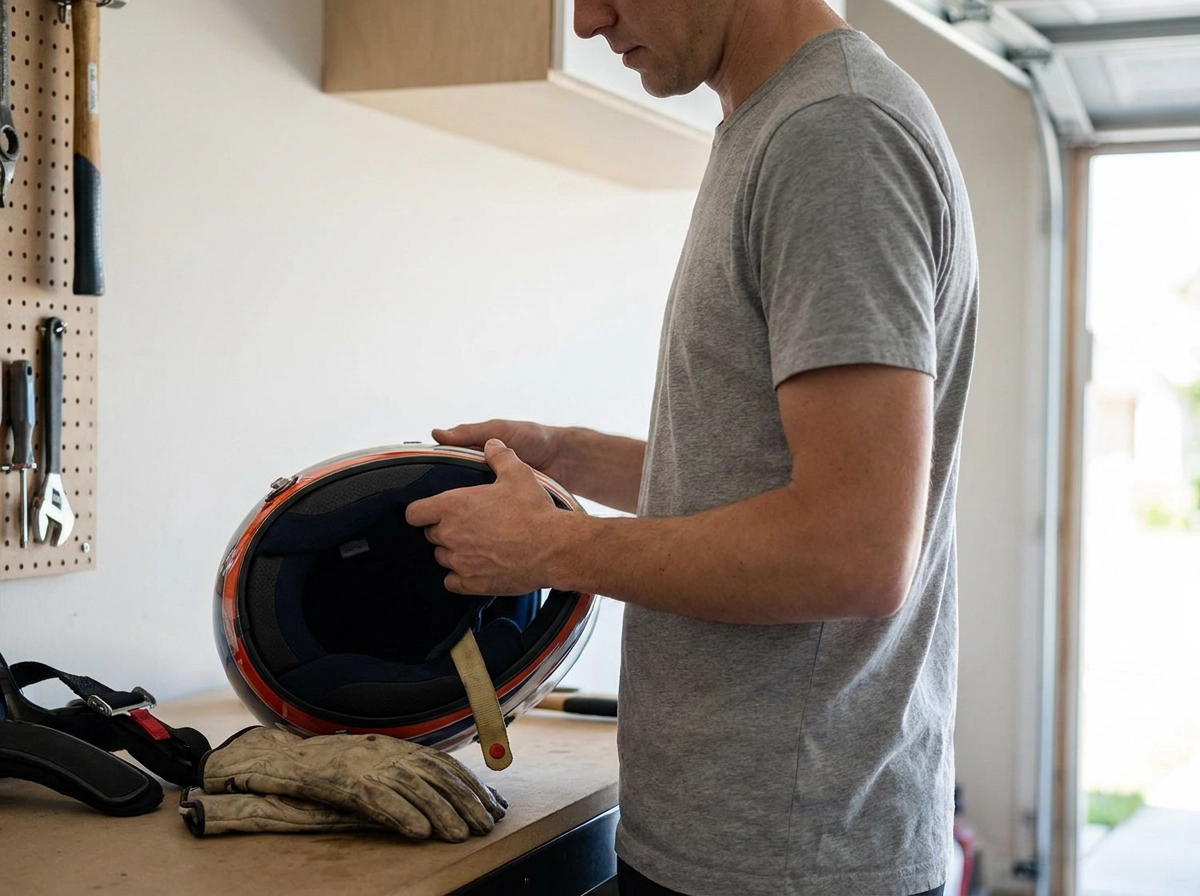
Why Certification and Fit Decide Everything
Most drivers buy in the wrong order: brand, graphics and price first, then check the shell is on their event’s list. Reversing that removes most risk. Familiarising yourself with the wider track day safety equipment checklist before shopping helps plan the kit logically.
Gate one: certification. The shell must meet a standard your organiser recognises; for a frontal head restraint, it must also be on a compatible FIA technical list.
Gate two: fit. Shell profile, cheek and crown pressure, and correct restraint-post position for your neck device decide usability beyond a few laps.
Gate three: validity. Homologation-label dates, not the shell’s newness, determine scrutineering presentation.
Budget and colour come last. Neither rescues a helmet on the wrong standard, incompatible with a device, or past its label dates.
Use the Motorsport UK Recognised Helmet Standards document (valid from 1 January 2024) as the current reference, and the 2018 Frontal Head Restraints guidance as explaining the underlying mandate, not the live rulebook.
Which Helmet Standards UK Events Actually Check
The first practical step is to fetch the current Motorsport UK Recognised Helmet Standards document (valid from 1 January 2024) and the knowledge hub page before shopping. Lists are revised, so forum posts and older articles are background only. FIA 8860, FIA 8858 and FIA 8859-2015 shells are accepted as a matter of course. Snell SA2015 and SAH2010 are accepted for Motorsport UK National events only; if you may enter FIA International events, confirm the accepted list with the organiser. Snell SA2005 and SA2010 count only when that exact model appears on FIA Technical List No.41. Check the physical label inside the shell and the supplied documentation, since a sticker in a sales listing is not proof of homologation. Our guide to motorsport clothing regulations explains the same tier logic elsewhere.
The FIA Routes: 8860, 8858 and 8859-2015
Within those accepted standards, the FIA number signals the route. FIA 8860 is the top-tier motorsport standard. FIA List n°69 for 8860-2018 helmets lists sizes from XS (54) to XXL (63 to 64). Homologation windows differ by model: end dates across that list run from roughly 2023 to 2031, so two visually identical shells can have very different remaining validity. A mid-range 8858 or 8859-2015 shell can still be enough for club-level events. Older 8860-2004 and 8858-2002 shells carry anchorage restrictions: check the standard and age before assuming posts can be fitted. Always read the actual FIA list for the standard you are buying, not a shop description that simply says FIA approved.
Snell Shells and the Technical List No.41 Caveat
Snell sits alongside those FIA routes, but with a narrower caveat. SA2015 and SAH2010 are recognised for Motorsport UK National events, giving sprint and hill climb newcomers a genuine non-FIA route. SA2005 and SA2010 are different: the Snell label alone is not enough. The exact model must appear on FIA Technical List No.41 for the size you wear. That condition makes a tidy secondhand Snell shell a possible false economy, sound yet ineligible for your event. Only the Snell years named in the current Motorsport UK document qualify, so a different year code is not automatically covered. Keep the paperwork and photograph the label, because you may need to evidence the standard when helmet and device are checked together. The same specification-first discipline applies elsewhere, as our SC Project exhaust systems guide shows.
FHR Rules for UK Circuit Race, Sprint and Hill Climb
With the shell’s standard and label documented, confirm whether your category requires a frontal head restraint at all. Since 1 January 2016, an FIA-homologated FHR has been mandatory in Motorsport UK National Events for Circuit Race drivers and for Sprint and Hill Climb drivers. Period Defined vehicles (pre-1977) are exempt, as are Roadgoing category vehicles in Sprint and Hill Climb, so establish your class before spending. Since 1 January 2018, a required FHR must carry a Motorsport UK approval sticker, obtainable from selected scrutineers for a small fee. Both dates come from 2018 guidance, so re-check the current knowledge hub documents for this season’s entry. Buying the shell first is the costliest entry-level error: without correct anchorages it cannot be converted later. If seat or harness geometry is unresolved, read our guide to aftermarket seats and harness bars.
What the 2016 Mandate and 2018 Sticker Really Change
The mandate is not circuit-racing-only: since 1 January 2016 it has also applied to Sprint and Hill Climb, so a hill climb newcomer must plan a device into the budget from the outset. Note that “FIA-homologated” describes the device itself, not the helmet. The requirement is for an FIA-homologated FHR system, and a padded neck collar is not a homologated device, so it will not satisfy the scrutineer.
The approval sticker is separate from the helmet’s own label and paperwork. Pay the scrutineer fee as its own line item and arrange it well before the event morning. Keep the FHR homologation label accessible, because the helmet and device are typically checked as a pair.
Track days follow different rules. Check the specific organiser’s regulations rather than assuming the national position applies. If you are also refreshing the wheel, our guide to steering wheel upgrades for track day cars covers hub compatibility and road legality.
Anchorage Fitting Restrictions You Cannot Fix Later
Having settled whether your event actually requires a device, turn to the shell itself. For FIA 8858-2002 and 8860-2004 helmets, anchorages may only be fitted under manufacturer or agent supervision and cannot be retrofitted afterwards. You cannot buy an older shell and drill posts in yourself; if the posts are absent or incorrectly fitted, treat that helmet as incompatible with FHR use. On a new shell, confirm the posts are factory-fitted for your intended device and that the tether system matches its design. This is the classic secondhand trap: request documentation or manufacturer confirmation and walk away if it is not provided. Post position and tether length matter even on a listed model, because poor positioning can make a legal device unusable. Verify fit details carefully, just as you would when choosing an exhaust pipe for performance cars.
Helmet and FHR Compatibility: The FIA Lists That Matter
With anchorage retrofits ruled out, confirm the shell and device are paired by the FIA. An FHR can only be used with helmets on FIA Technical Lists No.33, No.41 or No.49, so a helmet legal for your event may still not take the device; the National-only Snell acceptance noted earlier is the exception.
Work backwards: identify the FHR you will run or own, then confirm the helmet model is on the relevant list. Check exact model and size band, not brand, because lists are per model with size ranges and homologation dates.
Match tether type to the device and confirm posts sit where the tether needs them. Lists confirm the shell, not the physical setup. As you would check which Toyota C-HR chassis are listed before ordering suspension, note list numbers and label dates for helmets so you can verify in one pass before paying.
Fit and Measurement: Match Your Head to the Shell
Being on the right list is only half the battle; the shell must also fit your head. Measure your circumference at the widest point with a soft tape, then consult the manufacturer’s size chart for that exact model. Never convert a size between brands. Interior profiles differ, so try several shell shapes, not just sizes, as the same nominal size can press in different places.
Run a proper fit test. After ten to fifteen minutes, there should be no pressure points at the crown, forehead or temples. Your cheeks should be firmly supported without pinching your tongue, and your skin should move with the shell when you rotate it slowly. Avoid invented head-shape categories; rely on the maker’s own guidance.
With your FHR fitted, confirm the device rests on the harness and shell as intended, tethers do not foul the helmet edge, and you can turn your head to see mirrors. If you cannot try the exact model locally, confirm the return policy and ask the retailer for help reading the chart. Once the helmet fits, the next variable is how your harness interacts with it.
Harness Angles and Webbing Interaction
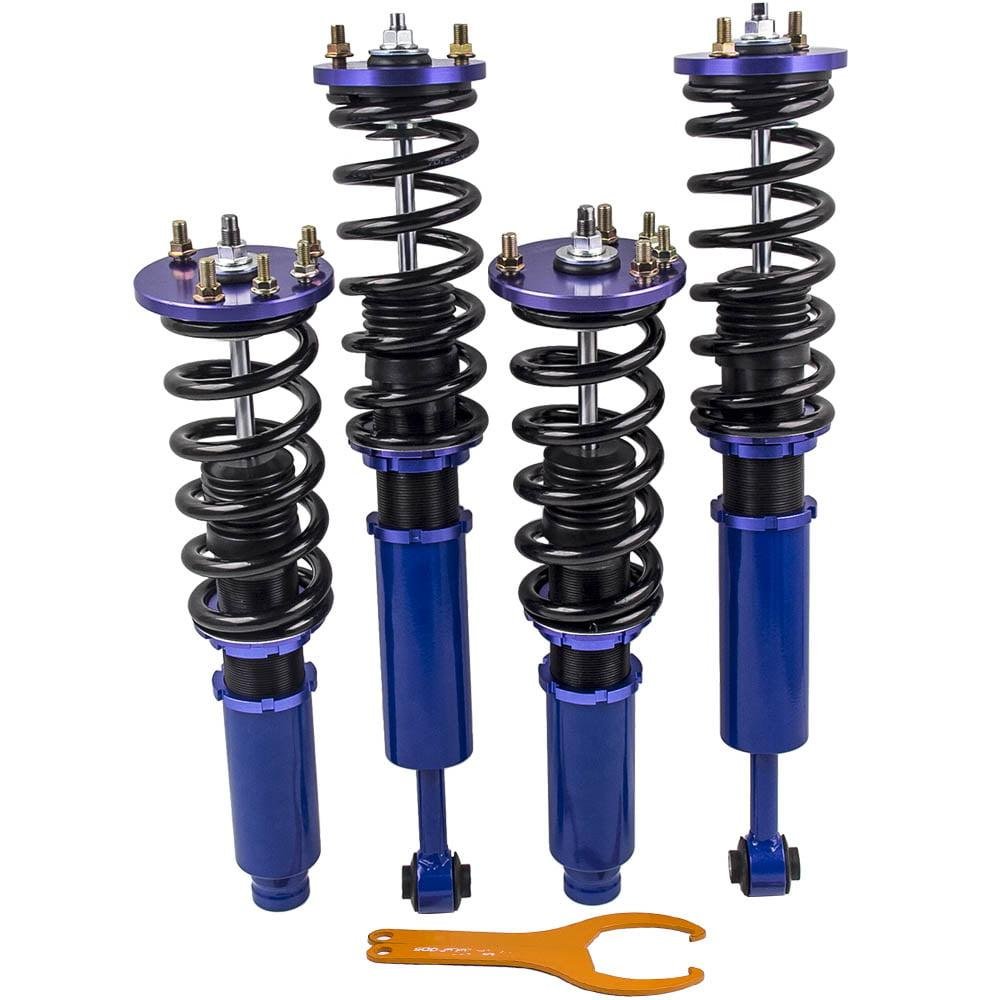
Once the shell fits, the next constraint is the car itself. Harness shoulder straps must sit 0 to 45 degrees below horizontal, and with an FHR Motorsport UK recommends the narrower 0 to 20 degrees. Check harness bar and anchor positions against that range before buying a device: geometry decides how the restraint and webbing load in an impact. Too steep and the webbing pulls the device off your shoulders; too flat and straps can slip in a seat without proper guide slots. Confirm webbing width and routing suit the FHR shoulder guides, and that the harness is in date and mounted correctly. If your setup falls outside 0 to 20 degrees, a harness bar or seat change is likely needed, so sort that first. Test the whole system seated, belted and device-on in the car, not in a showroom. If suspension and seat work coincide, our coilover setup guide covers ride height and damping.
Expiry: Why a Helmet That Looks Fine Can Fail
With harness angles and webbing settled, the final pre-purchase check is the label. The FIA list states that a product’s validity is exactly what appears on its homologation label, and the published dates are the latest dates that may appear there. Cosmetic condition is irrelevant: a clean shell can still be out of date for your event.
Homologation end dates vary by model. The 8860-2018 list shows dates from roughly 2023 to 2031, so two identical-looking helmets can differ by years of remaining validity. Do not assume a fixed shell lifespan; check the label and the manufacturer’s guidance for that model.
An expired shell may suit non-competition use, but not an event requiring a specific standard or current label. Buying used? Require a clear label photograph, confirmation of the FHR compatibility list entry, and evidence that posts were factory-fitted where required. Acceptance also moves: a shell recognised under 2018 guidance may not be recognised under the standards valid from 1 January 2024.
Budget Bands Mapped Honestly
Once the label date is settled, set budget as a system figure, not a helmet price. Certification is non-negotiable: pay for a shell on a standard your events accept and on the relevant FHR compatibility list for your size. Buy the standard, not the badge; a mid-band model on the right list gets you on track, while a glossier shell on the wrong list or without correct anchorages does not. Secondhand is not automatically cheaper, because anchorage restrictions and label dates can make a bargain unusable, so verify both before comparing prices. Budget for the device, tether, approval sticker fee, harness adjustments implied by the 0 to 20 degree recommendation, and any seat or bar work. One combined figure for helmet, device and harness changes avoids paying more in stages. Treat online price bands as indicative only; prices move and vary by size and availability, so verify current UK pricing before committing. If fit questions come up while you set that budget, ask Performance Cars Parts.
Buy in the Right Order
With your system budget set, commit to this sequence: certification, FHR compatibility, fit, label dates, budget, then brand and colour. Before spending, download the current Motorsport UK Recognised Helmet Standards and check the knowledge hub page, then confirm the FHR requirement and sticker position for your category. Try shells properly and re-check harness angles with the device fitted, aiming for 0 to 20 degrees below horizontal. Read the homologation label rather than judging by appearance, and confirm current prices and availability at the point of purchase. Buy in this order and scrutineering stops being a gamble.
Conclusion
Getting your helmet and FHR right comes down to four things: certification, compatibility, fit, and label dates. Check the current Motorsport UK Recognised Helmet Standards before you buy, match your helmet to your device using the FIA Technical Lists, try shells properly with the device fitted, and read the homologation label rather than trusting appearances.
Your next step is simple. Download the current Motorsport UK helmet standards, then confirm your FHR requirement and sticker position for your specific category. If you have fit questions, ask Performance Cars Parts before you buy.
Buy in the right order and scrutineering stops being a gamble. Get certification, compatibility, fit and dates verified before you spend, and you will avoid the costly mistakes that no bargain can fix. Buy once, buy correctly, and focus on the drive ahead.
Shop related performance parts
Explore related products
Always check the individual product listing for your vehicle and engine before ordering.